Last Update: 3 September 2025

A leaking toilet can waste up to 60,000 litres of water annually, leading to high utility costs and potential water damage. Knowing when to replace your toilet is crucial for preventing constant clogging, wobbling, and costly repairs. This guide explores the average lifespan of toilets, clear warning signs like cracks or leaks, and the benefits of upgrading to a modern, water-efficient model.
Replacing an old toilet offers significant advantages, including reduced water bills, improved flushing performance, and enhanced bathroom aesthetics. Modern toilets feature water-saving technology, comfort-height seats, and quieter flush systems, providing peace of mind and adding value to your home. Don't wait for minor issues to escalate; a professional replacement ensures your plumbing system works efficiently and reliably.
A leaking toilet can waste up to 60,000 litres of water a year in Australian homes. That’s enough to cover your water bill for months, all from a faulty toilet silently draining away your money and precious water supply.
Knowing when to replace a toilet isn’t just about avoiding constant clogging or a wobbling toilet. It’s about saving on utility costs, preventing potential water damage, and avoiding costly repairs that often follow leaking toilet issues. Replacing an old toilet also brings peace of mind, knowing your plumbing system is working properly during every bathroom break.
In this guide, you’ll learn how long the average toilet lasts, the warning signs that it’s time to replace your toilet, the benefits of installing a replacement toilet, and how a professional plumber can make toilet installation a simple process. Let’s get your bathroom sorted without multiple repairs draining your wallet.
How Long Do Toilets Usually Last?
The average toilet in Australian homes can last anywhere from 15 to 30 years, but this can vary depending on water quality, usage, and maintenance history. A toilet bowl with mineral buildup or hard water mineral deposits can develop hairline cracks or small cracks over time, leading to hidden leaks around the toilet tank or floor.
Older toilets often lack the water efficiency of new toilet models. Modern replacement toilet options feature water-saving flush technology that uses less water with each flush while maintaining strong flushing performance. This means fewer multiple flushes, reduced utility costs, and less water waste without compromising your bathroom experience.
If your old toilet has an outdated flapper valve, faulty fill valve, or inlet holes blocked by mineral buildup, it might struggle to clear the bowl efficiently, leading to constant clogging and the frustration of a clogged toilet during a busy morning.
A general rule is to replace a toilet that requires multiple repairs or has existing cracks. Installing a new toilet can be a cost-effective way to prevent potential water damage, improve your bathroom’s appearance, and save water in the long run.
Need Help From Gold Coast Plumbing?
Clear Signs It’s Time to Replace Your Faulty Toilet
Constant Clogging and Multiple Flushes
A clogged toilet that needs multiple flushes often signals low water flow, faulty toilet parts, or mineral buildup in the drain pipes. Poor flushing performance can become a daily annoyance and increase your water bill.
Hairline or Visible Cracks
Hairline cracks or existing cracks on the toilet bowl or toilet tank may appear harmless but can lead to leaks and water damage on your bathroom floor. Small cracks can expand over time, causing costly repairs.
Leaks Around the Base or Tank
A leaking toilet around the base often means the wax ring has failed, or cracks have formed. If you notice water pooling around your old toilet, it’s time to replace before it damages your floor and subfloor.
Wobbling or Unstable Toilet
A wobbling toilet is not just uncomfortable; it can lead to leaks, damage to drain pipes, and further plumbing issues if ignored.
Old Age and Inefficiency
Older toilets may use more water per flush and struggle with mineral deposits blocking inlet holes, reducing water efficiency. Replacing an old toilet with a new toilet helps save water and lower utility costs.
Constant Repairs Needed
Multiple repairs such as replacing the flapper valve, fixing the fill valve, or dealing with repeated leaks can add up quickly. If you’re calling plumbing services regularly, a replacement toilet is a cost-effective option.
High Water Bills
An unexplained spike in your water bill can be due to a leaking toilet or poor water flow efficiency in your plumbing system.
Don’t: Keep trying to seal cracks on a faulty toilet with sealants. This can lead to severe leaks and hidden water damage that will cost you more in the long run.
Ignoring these warning signs can lead to costly repairs, water waste, and inconvenience. Replacing your toilet ensures your bathroom is working properly and ready for daily use.
Benefits of Replacing Your Old Toilet
Replacing your old toilet brings significant benefits beyond just removing an eyesore. A new toilet with dual flush technology uses less water with each flush, helping you reduce your water bill while promoting water efficiency in your home.
Modern replacement toilets also feature comfort-height toilet seats, soft-close lids, and improved flushing performance that prevents constant clogging and the frustration of a clogged toilet when you’re rushing out the door.
Upgrading your toilet is a cost-effective way to enhance your bathroom’s appearance while reducing the need for multiple repairs. A faulty toilet can leak silently, increasing utility costs and causing potential water damage under your flooring.
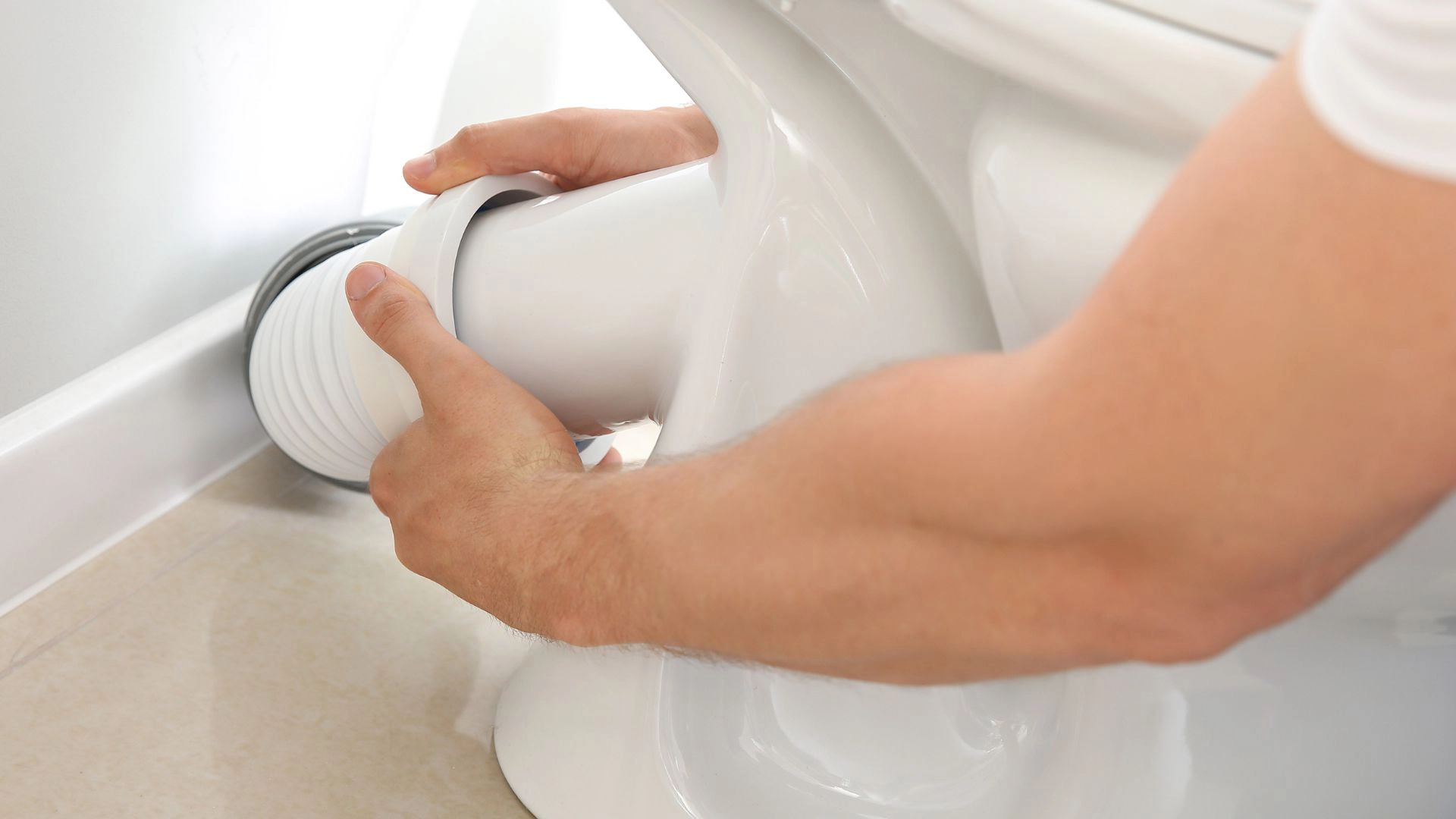
Today’s new toilet designs also include quieter flush systems that don’t disrupt the house during a late-night bathroom break. With fewer parts requiring constant maintenance, you can enjoy peace of mind knowing your plumbing system is working properly.
In many cases, replacing your old toilet can also add value to your home, especially if you’re planning to sell. A bathroom with an updated toilet bowl and modern flushing system looks cleaner and more appealing to potential buyers who want to avoid plumbing issues and high water bills in the future.
Common Myths About Toilet Replacement
It’s easy to believe that a leaking toilet can be patched forever, but even the best temporary fixes on a faulty toilet eventually fail, leading to severe water damage.
Another myth is that all toilets are the same. The truth is, a replacement toilet with water-saving technology can use less water and reduce your utility costs significantly, unlike an old toilet that wastes water during each flush.
Many homeowners think replacing a toilet is too expensive, but ignoring warning signs like cracks, constant clogging, or leaks often leads to multiple repairs and higher costs in the long run.
Thinking a clogged toilet can be resolved by plunging each time overlooks the need to check for deeper plumbing issues in the drain pipes or inside the toilet bowl that may signal it’s time to replace.
A replacement toilet is a practical investment, providing improved water flow, reduced water waste, and comfort during daily bathroom use, all while being cost effective and reducing ongoing toilet repairs.
Choosing A New Toilet for Your Home
Choosing the right toilet for your bathroom involves considering the size of your space, water efficiency, and comfort features. For Australian homes, dual flush toilets are popular, using less water for liquid waste and helping you save on your water bill while reducing water waste.
Back-to-wall and wall-faced toilets are great choices for tight bathrooms, hiding drain pipes neatly while providing easy cleaning access. Features like a soft-close toilet seat, comfort height, and efficient water flow through inlet holes ensure each bathroom break is comfortable and quiet.
A new toilet with a water-saving flush system prevents constant clogging and reduces the need for multiple flushes, helping your plumbing system work properly while reducing utility costs. Check for features like an efficient flapper valve and fill valve, which help maintain strong flushing performance.
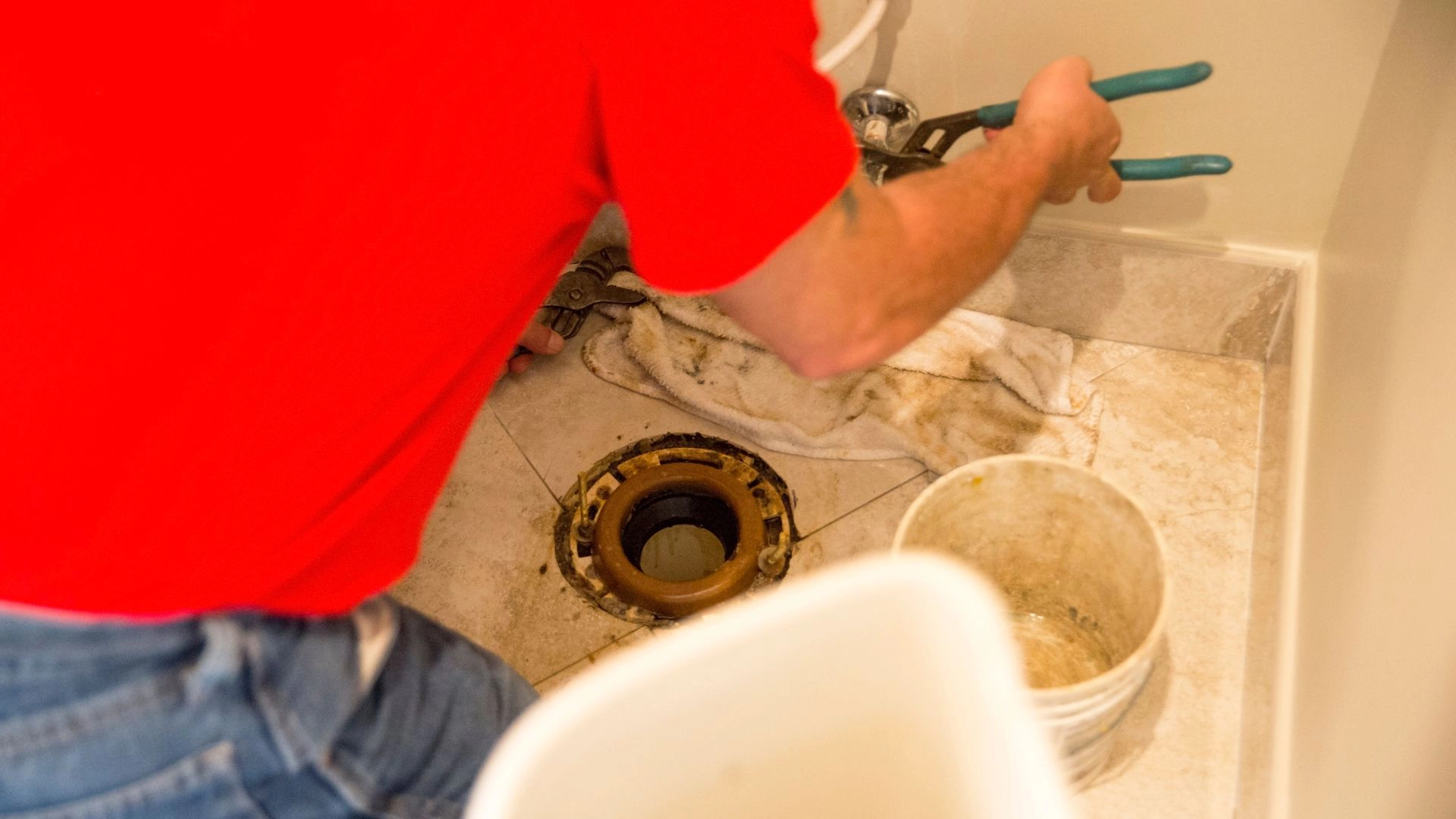
When planning your toilet installation, measure your existing plumbing system and water supply setup to ensure the replacement toilet fits seamlessly into your bathroom layout. A professional plumber can guide you through the simple process of replacing your old toilet with a new toilet, ensuring your bathroom remains functional and comfortable without disruption.
Selecting the right toilet for your home means fewer plumbing issues, reduced water usage, and a cleaner, more stylish bathroom ready for daily use.
What Happens During a Toilet Replacement?
Toilet replacement is a simple process when handled by a professional plumber. First, the plumber will turn off the water supply and flush the toilet to empty the toilet tank and bowl. The old toilet is removed carefully to prevent damage to the floor or drain pipes.
Next, the wax ring is replaced to create a watertight seal, preventing leaks around the base of your new toilet. The replacement toilet is then positioned correctly, and the tank and toilet bowl are secured to ensure no wobbling toilet issues occur.
During installation, the plumber will check the fill valve, flapper valve, and inlet holes to ensure the toilet is working properly with your water supply and plumbing system. The water supply is turned back on to test the flushing performance, ensuring no leaks are present around the base or toilet tank.
Homeowners can prepare for a toilet installation by clearing space around the toilet area and ensuring the bathroom is accessible for the plumber. Most toilet replacements can be completed in a few hours, allowing you to resume normal bathroom use promptly without delays or unexpected issues.
Questions Homeowners Ask About Replacing Toilets
How long does it take to replace a toilet?
A professional plumber can usually replace a toilet within 2 to 4 hours, ensuring the plumbing system is working properly before leaving.
Can a toilet be replaced on the same day?
Yes, a replacement toilet can be installed on the same day, allowing you to resume your bathroom routine quickly.
Is it worth replacing a toilet before selling a home?
Absolutely. A new toilet can increase appeal to buyers and prevent plumbing issues from surfacing during pre-sale inspections.
Are new toilets really more water-efficient?
Yes, modern toilets use less water while providing strong flushing performance, reducing your water bill and conserving water in the long run.
Time for a Toilet Upgrade? Let’s Get Your Bathroom Back on Track
Tired of dealing with a leaking toilet, constant blockages or those fine cracks that keep getting worse? Swapping out your old toilet now can help you steer clear of pricey repairs and reduce your water bills in the long run. A fresh toilet not only lifts your bathroom’s look but also uses less water, keeps those sneaky leaks at bay, and makes every trip to the bathroom that bit more comfortable.
A toilet replacement goes beyond just fixing a problem. It’s about giving your bathroom a much-needed refresh and keeping your plumbing hassle-free. With Gold Coast Plumbing Company handling the installation, we’ll get the job done right the first time, making it a smart investment for your home.
Don’t make the mistake of waiting until your old toilet turns a small leak into a costly floor repair. Get ahead of plumbing headaches and transform your bathroom into a clean, reliable space that’s ready for daily use without draining your budget.
Ready to upgrade? Contact Gold Coast Plumbing Company today to get your bathroom sorted quickly and professionally.
Published by: Pascal Harb3 September 2025