Last Update: 3 September 2025
A burst pipe can strike without warning, causing rapid and extensive damage to your home, from flooded floors to structural issues. In such an emergency, maintaining a cool head and acting swiftly is paramount to minimizing the potential harm. Every second counts when water is gushing, making immediate action crucial for protecting your property and ensuring safety.
This guide outlines the essential first steps to take when a pipe bursts. Key actions include immediately shutting off your main water supply, turning off electricity if safe to do so, and draining taps to relieve pressure in the system. Following these critical steps and promptly contacting a licensed plumber can significantly reduce water damage and help secure your home until professional repairs are completed.
What would you do if water suddenly started pouring from your ceiling or walls?
Burst pipes can catch anyone off guard. They often strike without warning and are caused by freezing temperatures, old or damaged pipes, or sudden pressure changes.
When they do, the damage can be fast, messy, and expensive—flooded floors, ruined furniture, and even structural issues.
It’s key to keep a cool head and act fast in a moment like that. Panicking only delays action, and every second counts when water’s gushing out.
That’s where this blog comes in. We’ll walk you through the first steps to take when a pipe bursts — simple actions that can help minimise damage, protect your home, and keep your family safe.
Step 1: Shut Off the Water Supply Immediately
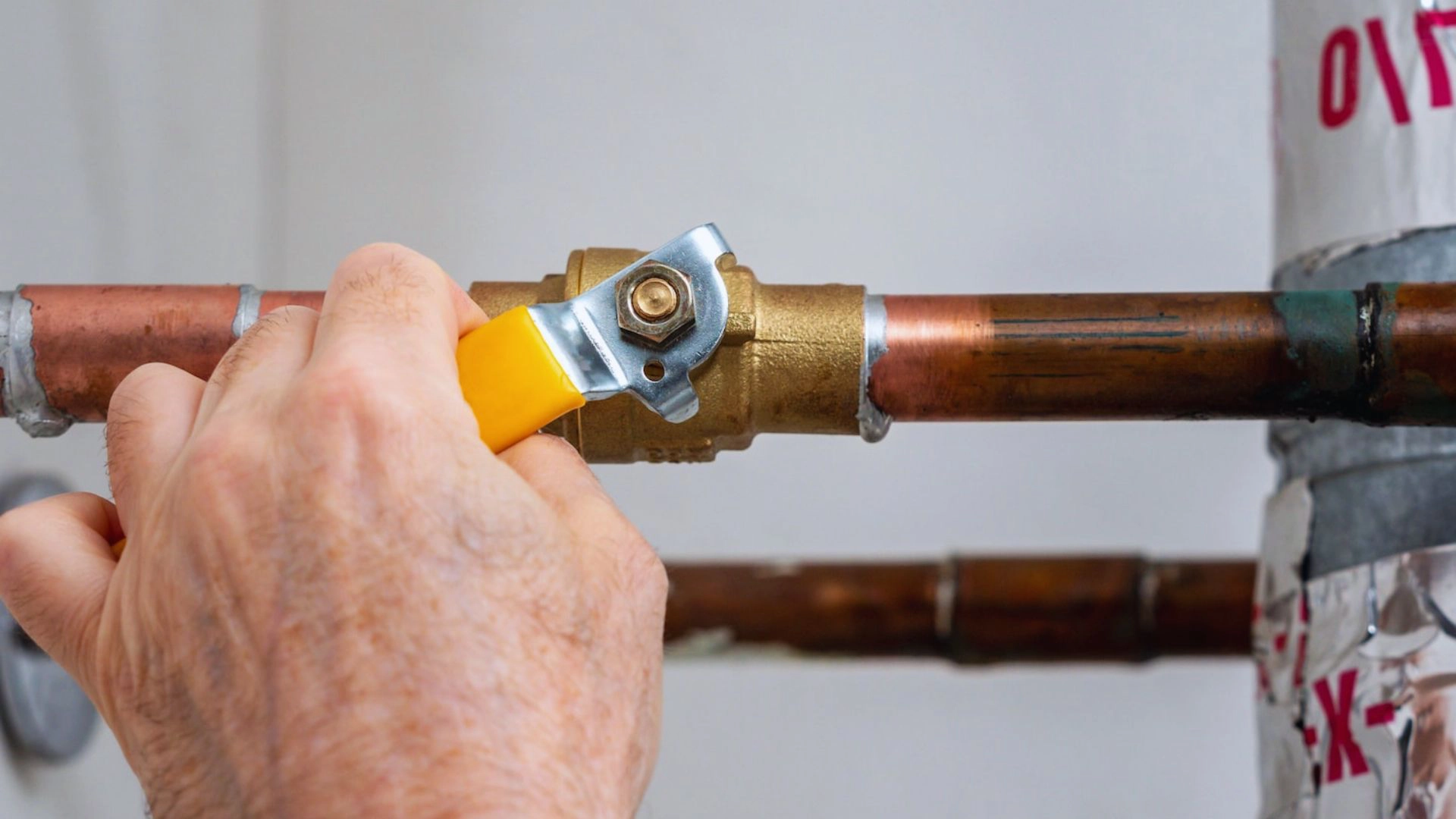
The first crucial step in a burst pipe emergency is to turn off the water supply . In most Australian homes, the main water supply shut-off valve is located near the front garden tap or close to the water meter. Knowing this spot can make all the difference.
To stop the water flow, turn the main valve clockwise until it’s fully closed. This will reduce water pipe pressure and prevent further damage.
Even a few extra minutes of water gushing from a broken pipe can cause significant damage to floors, walls, and ceilings.
Excessive water pressure, blocked pipes, or freezing temperatures can create weak points in your plumbing system that eventually burst. Left untreated, this can lead to standing water, mould and mildew, and major structural damage.
Acting fast helps relieve pressure, reduce water damage, and makes things safer until a licensed plumber or emergency plumber arrives to fix the affected area.
Need Help From Gold Coast Plumbing?
Step 2: Turn Off the Electricity if Safe
Water and electricity don’t mix. If a pipe bursts near electrical outlets or appliances, there’s an immediate danger of electrical hazards.
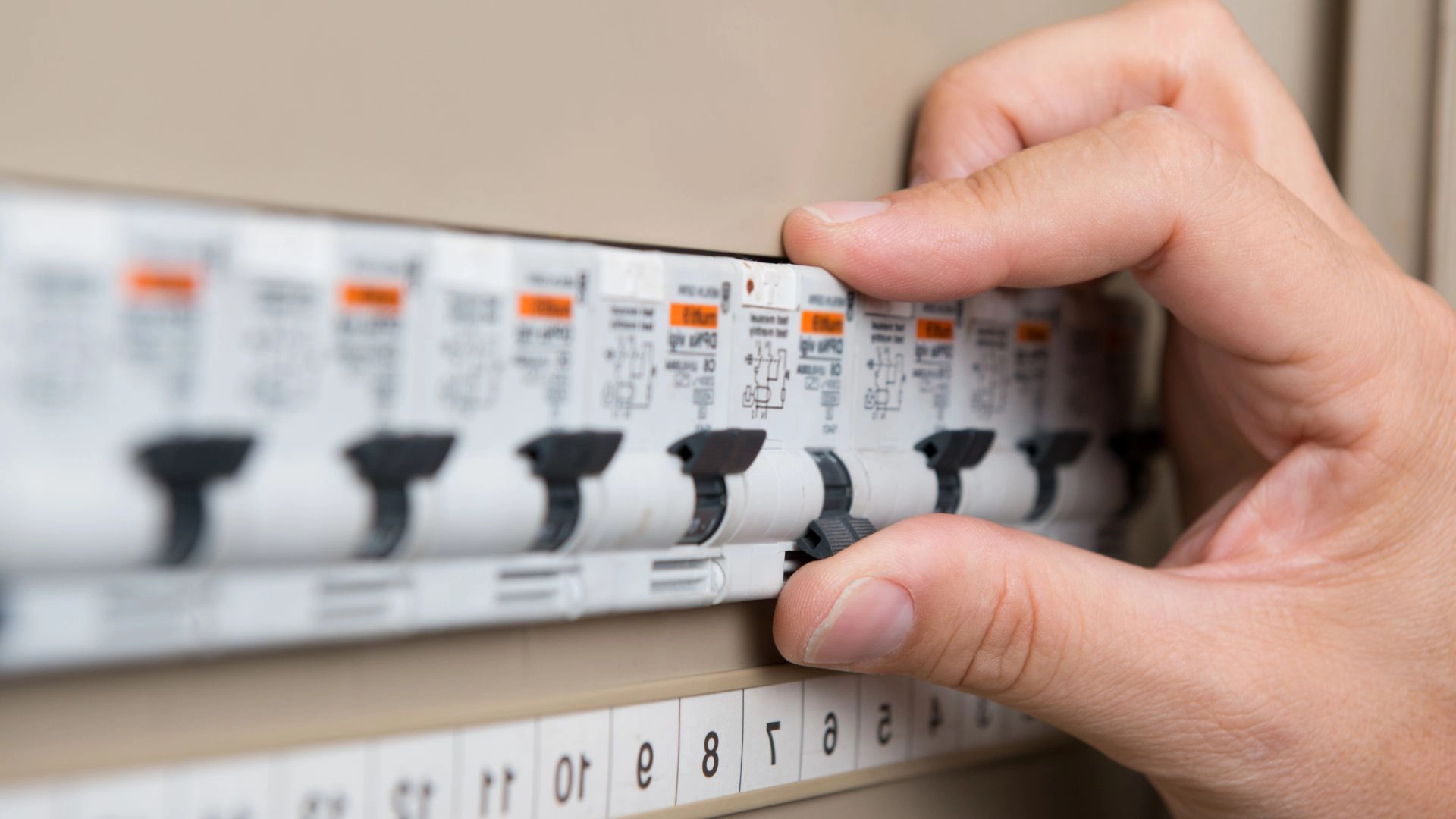
If safe, switch off the power at the main switchboard to avoid further risks, especially in wet areas or near the kitchen sink.
Don’t step into the water to reach the board—wait for a professional plumber or emergency plumbing services if unsure. Electrical hazards from burst pipes can lead to health risks and mould growth if the affected area is left untreated.
If you can’t access the switchboard safely, stay clear and wait for a reputable plumber or electrician.
Turning off the power early can prevent burst pipes from causing additional problems, such as damaged pipes from poor installation or excessive water pressure on older pipes.
Step 3: Drain the Taps and Relieve the Pressure
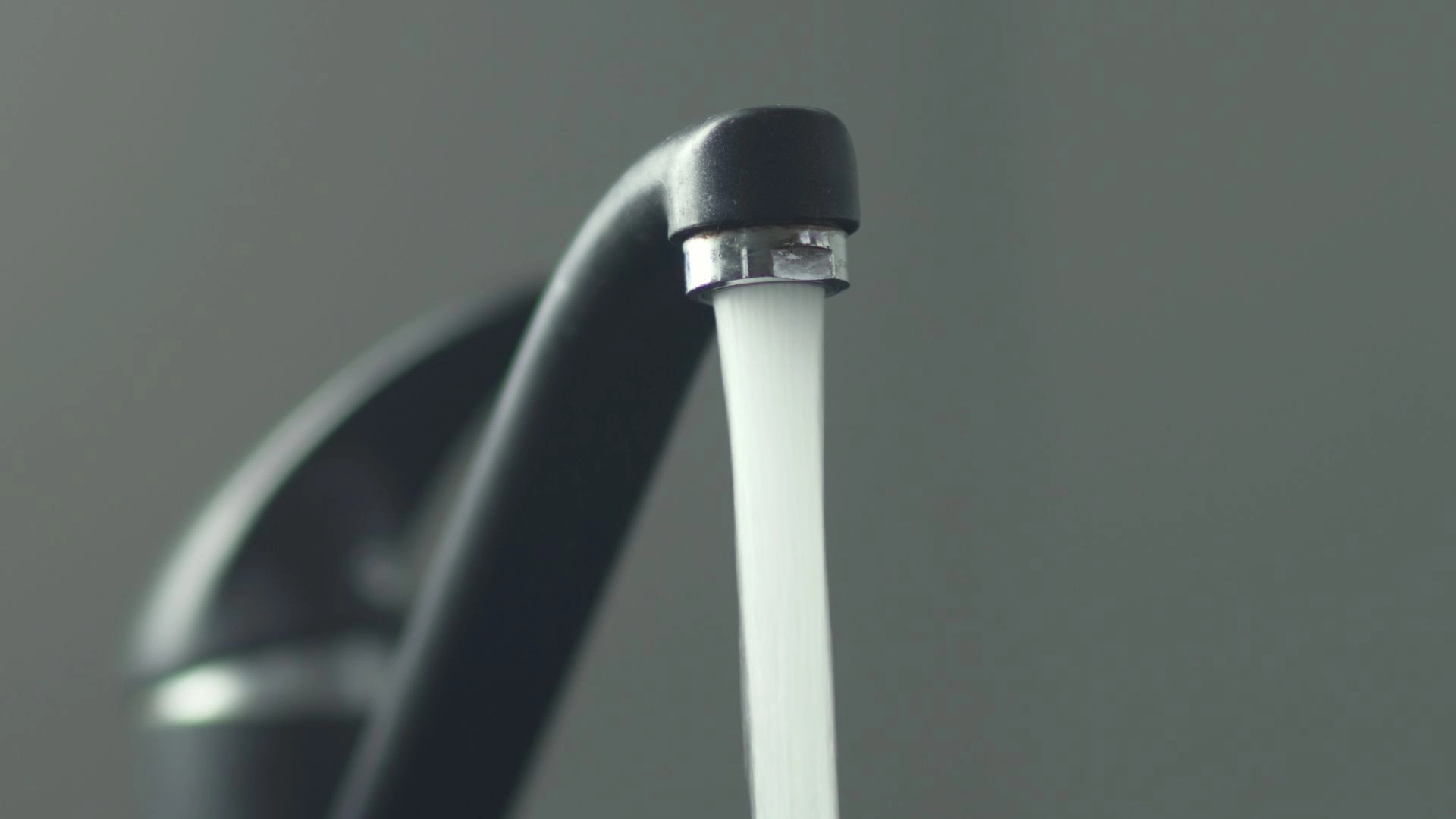
After you turn off the water at the main valve, open all the taps in your home to drain the remaining water from the plumbing system. Start with the cold taps upstairs and work your way down. This helps reduce water pressure and clears the pipe water sitting in the lines.
Then, turn on the hot taps to relieve pressure in the hot water system. This is a crucial step in a burst pipe emergency and helps prevent burst pipes from recurring due to significant pressure build-up.
Don’t flush toilets, use the kitchen sink, or run any fixtures—wait until a professional plumber has assessed the damage. Using them can force more water through damaged pipes or weak points.
These emergency steps give your licensed plumber a safer, pressure-free system to work with and reduce the risk of further damage from excessive water pressure or blocked pipes.
Step 4: Identify the Source and Assess the Damage
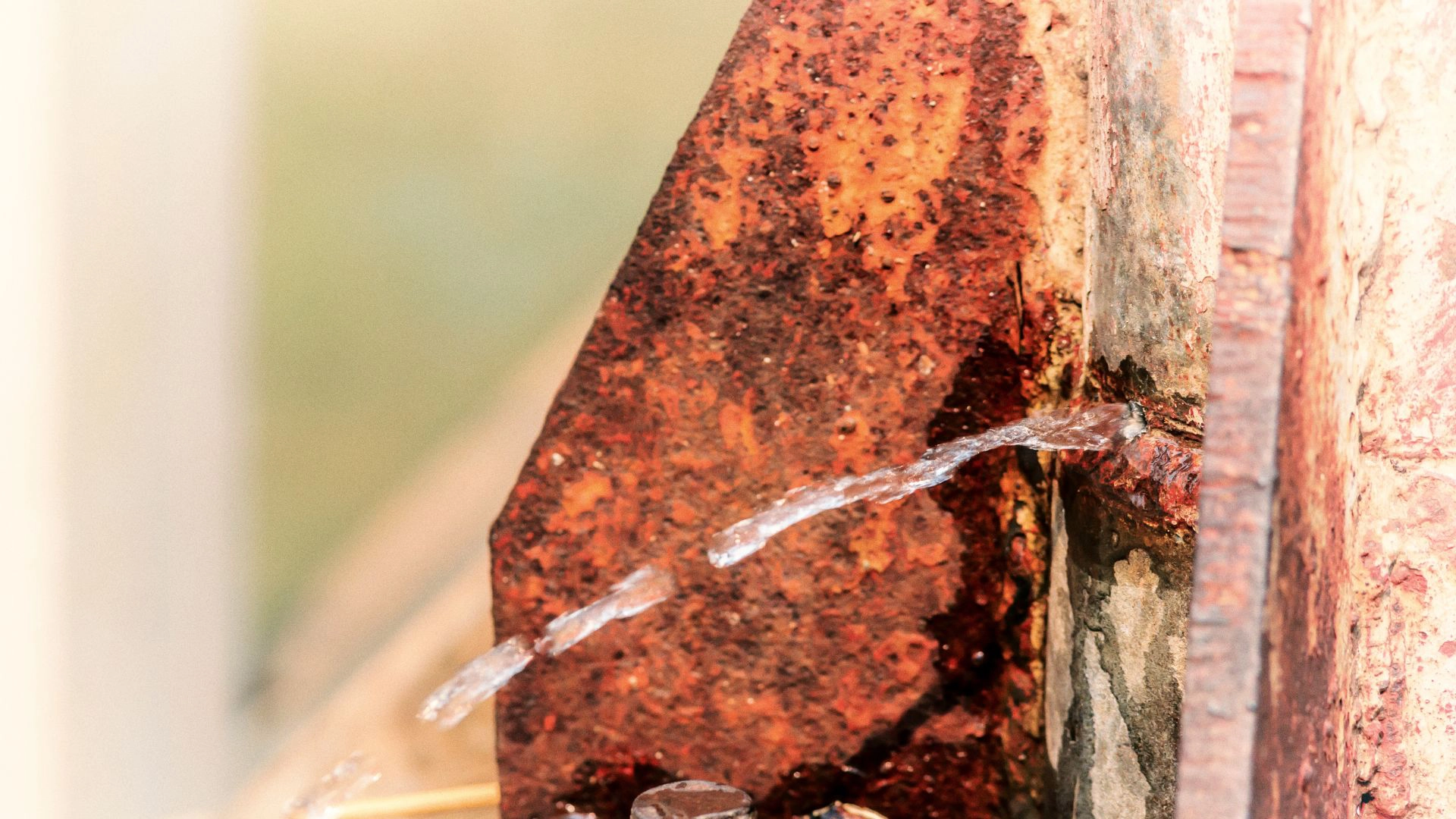
Finding the pipe burst location is key. Look for signs like wet areas, water stains, bulging ceilings, or water leaks behind walls.
If you spot standing water near electrical outlets or the kitchen sink, there’s immediate danger. A broken pipe behind walls can also create weak points that eventually burst again.
It’s also important to determine if it’s a clean water pipe or waste line. Burst water pipes caused by freezing temperatures or excessive water pressure can be harder to detect, especially if they are hidden.
In a plumbing emergency, Gold Coast residents often struggle to know when to step in or wait. To temporarily fix the situation, you can use towels or buckets, but avoid risky areas.
Leave bad installation issues, damaged pipes, or high-pressure leaks to a licensed plumber. Trying to patch it with duct tape isn’t safe when a pipe bursts near electrical hazards or structural damage.
Step 5: Move Belongings and Protect Your Property
After shutting down the main water supply, quickly move belongings from the affected area. Remove rugs, electronics, and valuables from wet areas to avoid burst pipes and water damage.
Even a small amount of standing water left untreated can cause mould and mildew, leading to serious health risks and expensive structural damage.
Use buckets or towels to control minor leaks if they are safe, but don’t use plumbing fixtures or flush toilets until repairs are complete. Take clear photos of the water damage to support your insurance claim—this is especially important in a commercial space where losses can add up quickly.
Protecting your space with these burst pipe emergency tips helps prevent mould growth and further damage. If you notice mildew growth, poor installation signs, or older pipes, report them to your plumber.
Regular maintenance and a reputable plumber are your best defence against future plumbing problems.
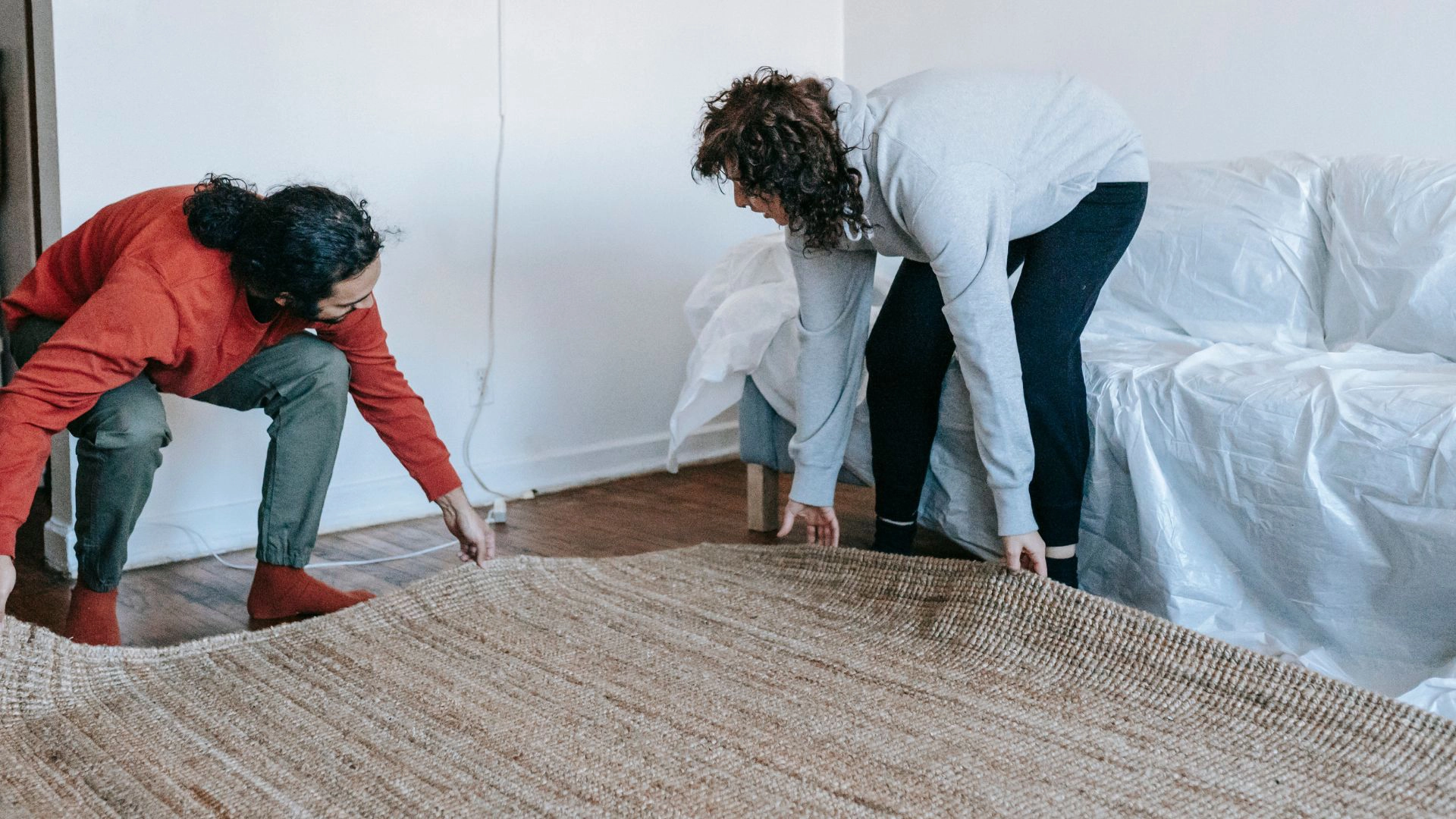
Step 6: Call a Licensed Plumber Immediately
It’s time to call a plumber for burst pipe issues. A licensed plumber is legally required in Queensland to handle repairs, especially for damaged pipes, hidden leaks, or work involving the main water supply.
Attempting to DIY a broken pipe could worsen the issue or void your insurance claim.
A reputable plumber will inspect the entire plumbing system for signs of bad installation, tree roots, excessive water pressure, or older pipes that may eventually burst. These weak points are often overlooked but can create significant damage if ignored.
A Gold Coast plumber offering emergency plumbing services can quickly assess the situation and restore normal water pressure. Avoid duct tape or quick fixes—let the plumber arrive and properly secure the affected area.
Whether it’s a water pipe split from extreme cold weather conditions or pipes freezes from poor insulation, acting fast prevents burst pipes from returning and ensures reliable service.
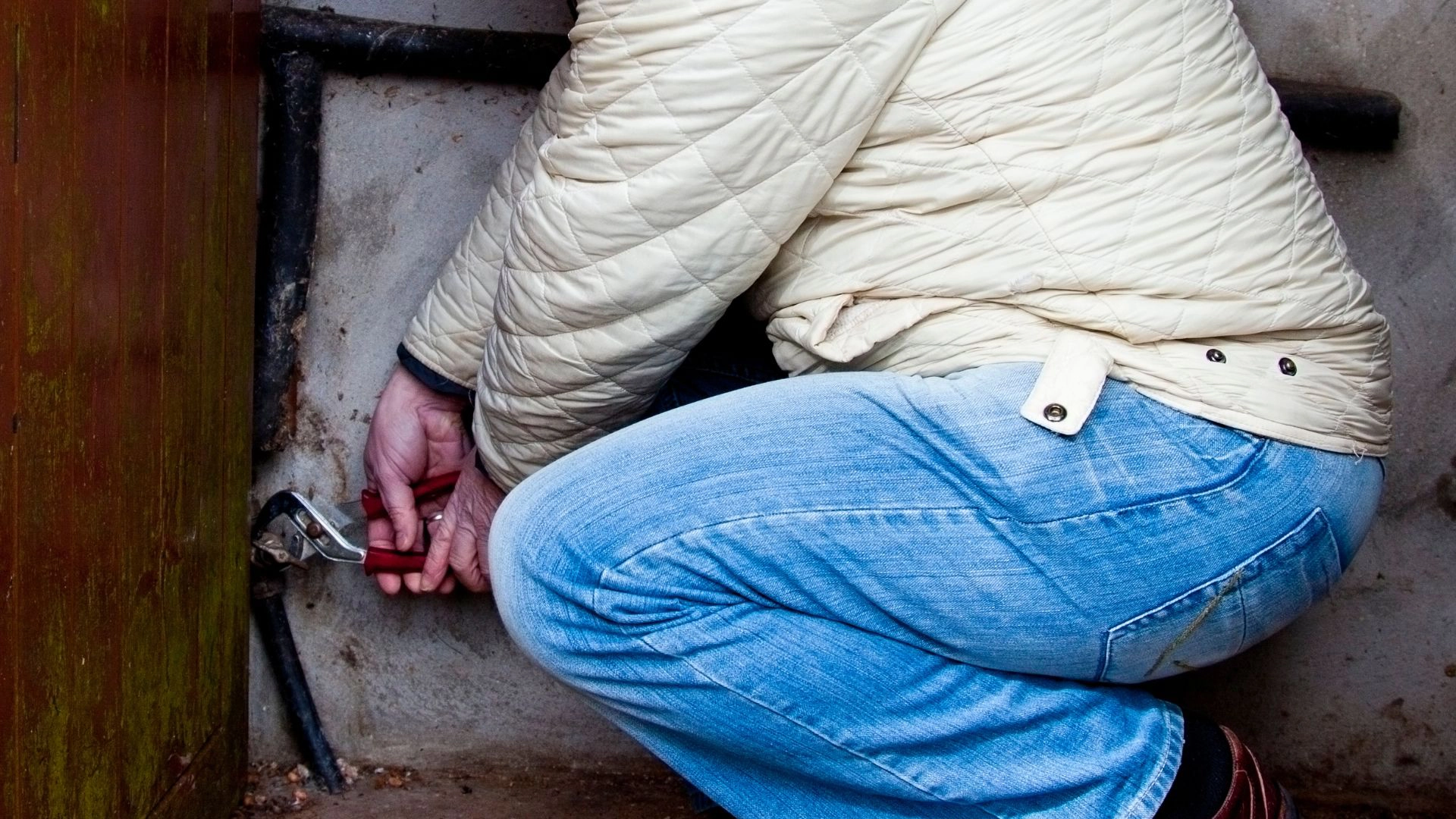
Step 7: Clean Up and Dry the Area Safely
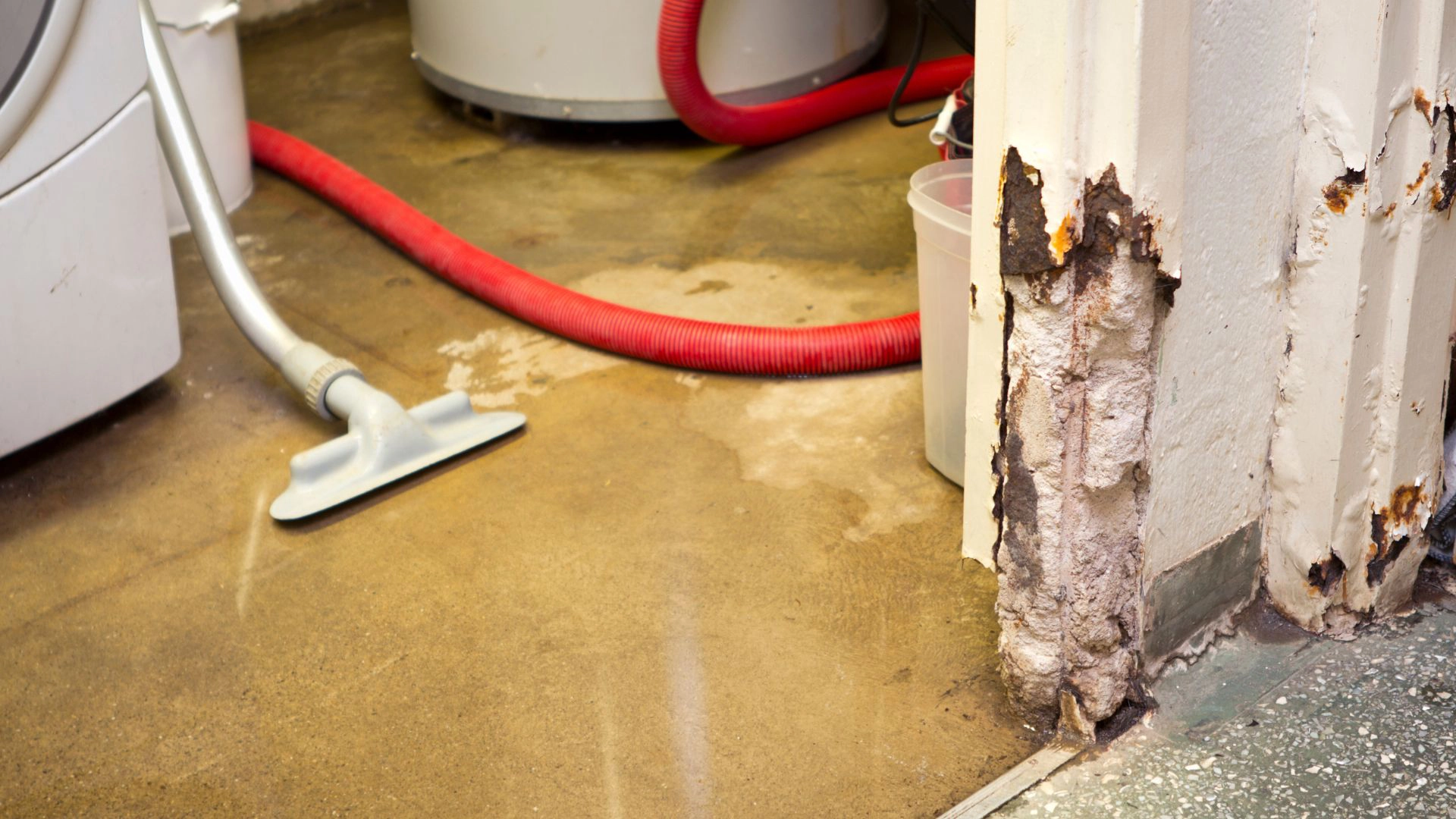
Once your emergency plumber has made the area safe, it’s time for post-burst pipe clean-up. Open windows, run fans and use a dehumidifier to dry the affected area. This helps prevent mould growth, mildew growth, and long-term structural damage.
Burst water that seeps into carpets or behind walls can create health risks if left untreated. If you’re dealing with significant water flow or flooding, call emergency plumbing Gold Coast restoration professionals to assist. They’ll detect hidden moisture and make sure no water leaks remain behind the scenes.
Cleaning up quickly also reduces the chance of mould and mildew forming. Regular maintenance after a plumbing emergency helps prevent burst pipes and protects your home or commercial space from future issues linked to freezing temperatures or poor installation.
 Published by: Pascal Harb3 September 2025