Last Update: 3 September 2025
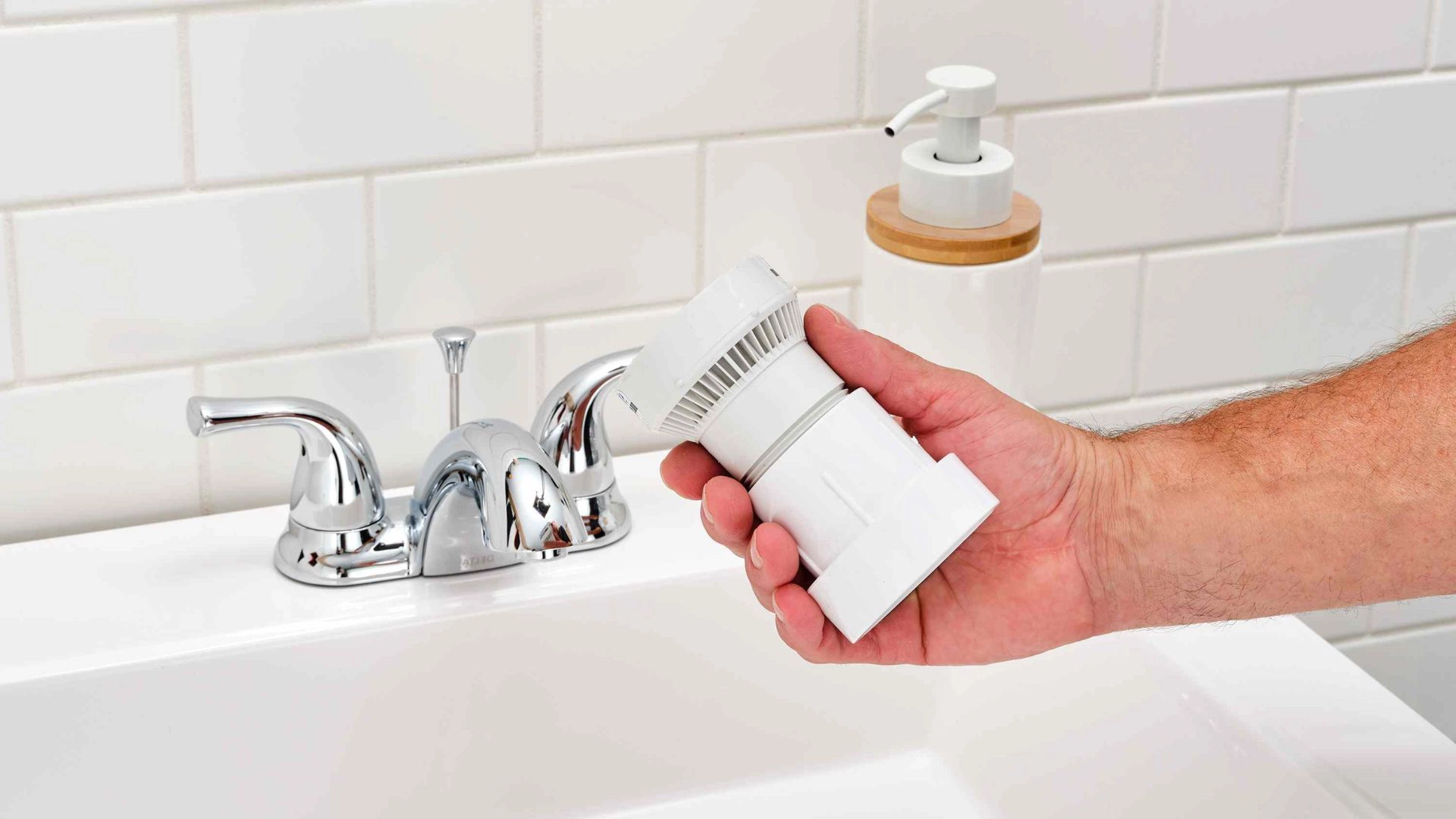
Proper individual venting is essential for the efficient and safe operation of a home's plumbing system. Many common fixtures, including kitchen and bathroom sinks, toilets, showers, bathtubs, laundry appliances, and garbage disposals, are legally mandated to have their own dedicated vent pipes. This ensures high drainage volumes are handled effectively, preventing issues like vacuum pressures, siphoning, and the entry of hazardous sewer gases into your living space.
Dedicated venting provides each drain with a crucial air supply, allowing wastewater to flow freely and maintaining the integrity of trap seals. Adhering to plumbing codes and standards, such as AS/NZS 3500.2, is vital for health and safety, with inspections ensuring correct installation. Homeowners are advised to consult licensed professionals for any new venting work or if they notice signs of problems like gurgling drains or strange odors, as proper venting is integral to the entire drainage network.
Proper plumbing venting is essential to ensure efficient drainage and prevent hazardous conditions in the home. Did you know that certain fixtures, by code, must have an individual vent feeding directly from their drain pipe up through the roof?
Plumbing codes exist to regulate drainage systems for health and safety, and venting requirements are no exception. This blog post discusses which common fixtures like sinks, showers and toilets legally demand their standalone vent according to standards.
We’ll examine why dedicated venting is crucial for trapping air in drainpipes and allowing wastewater to flow freely. Understanding code compliance around venting individual fixtures protects your family and home’s plumbing network. Let’s take a look at these important plumbing vent requirements.
What Plumbing Fixtures Require Their Own Vent
Certain plumbing fixtures must have their own dedicated vent by plumbing code standards. Proper individual venting is critical to supporting high drainage volumes and preventing hazardous conditions within the system. Let’s look closely at some key fixtures that legally demand standalone venting.
Kitchen Sinks
As one of the highest-capacity fixtures in the home, kitchen sinks can generate substantial waste volumes from various food preparation, cooking, and cleaning activities throughout the day.
Between meal preparation, washing dishes and utensils, and cleaning up cooking stations, kitchen sinks see a continuous throughput of waste-laden water entering the plumbing system. To efficiently evacuate these significant drainage loads by AS/NZS 3500.2, an individual vent pipe rising directly from the sink’s P-trap is mandated. This dedicated venting provides unrestricted airflow to alleviate vacuum pressures as water flows through the drain, allowing for rapid and complete waste evacuation with each sink use.
Bathroom Sinks
Much like kitchen sinks due to continuous usage, bathroom basins require individual venting as well. Personal hygiene routines like teeth brushing, face washing and shaving mean bathroom sinks see drainage entering the trap very frequently throughout the day.
AS/NZS 3500.2 specifies that the basin waste pipe must connect to a dedicated vent riser terminating above the roof to provide unimpeded airflow into and out of the trap at all times. This supports the continual drainage of waste volumes and prevents negative pressures from developing in the P-trap.
Toilets
Toilets depend on appropriately sized individual venting to produce a significant pressurised flushing action and adequately move solid and liquid wastes through the bowl and into the drain system.
Per the standard, a vent pipe must rise directly and independently from the toilet drainage arm or bend through the roof. This unrestricted vent termination high above the plumbing fixture allows the toilet’s forced flush to displace trap seals efficiently without complaints of choking noises. Independent venting also prevents backups or surges from impacting other fixtures.
Showers and Bathtubs
Generally, the highest daily producers of wastewater, such as en-suite and bathing fixtures, necessitate individually dedicated venting according to code. AS/NZS 3500.2 mandates that all bathtub and shower drain lines connect to a vent riser extending directly up through the roof termination point above, whether residential showers and tubs or those installed in institutions and care facilities.
This prompt evacuation of drainage loads protects sensitive plumbing components and seals in showers or tub appliances from potential pressure issues.
Laundry Rooms
Regions housing washing machines, laundry tubs, and other laundry appliances can often generate waste volumes comparable to small commercial operations due to the scale of regular loads.
These areas must be vented independently without relying on circuit ventilation from adjacent fixtures, which may not adequately support the fixtures’ needs. A direct vent rising from the standpipe, laundry tub drain, or washing machine waste arm allows sufficient airflow for drainage evacuation.
Garbage Disposals
Per the plumbing standard, any sink or other fixture equipped with a built-in food waste disposer requires its own vent extending outdoors above the roof. Beyond high wastewater volumes, food disposers also introduce solids into the drainage system, increasing ventilation demands. Dedicated venting terminating above the fixture prevents clogs and ensures proper airflow due to the disposer unit’s operating characteristics.
Need Help From Gold Coast Plumbing?
Why Individual Venting is Important
Individual venting is crucial for plumbing fixtures because it gives each drain a dedicated air supply to function properly. When fixtures are independently vented as code requires, their traps remain adequately charged with air.
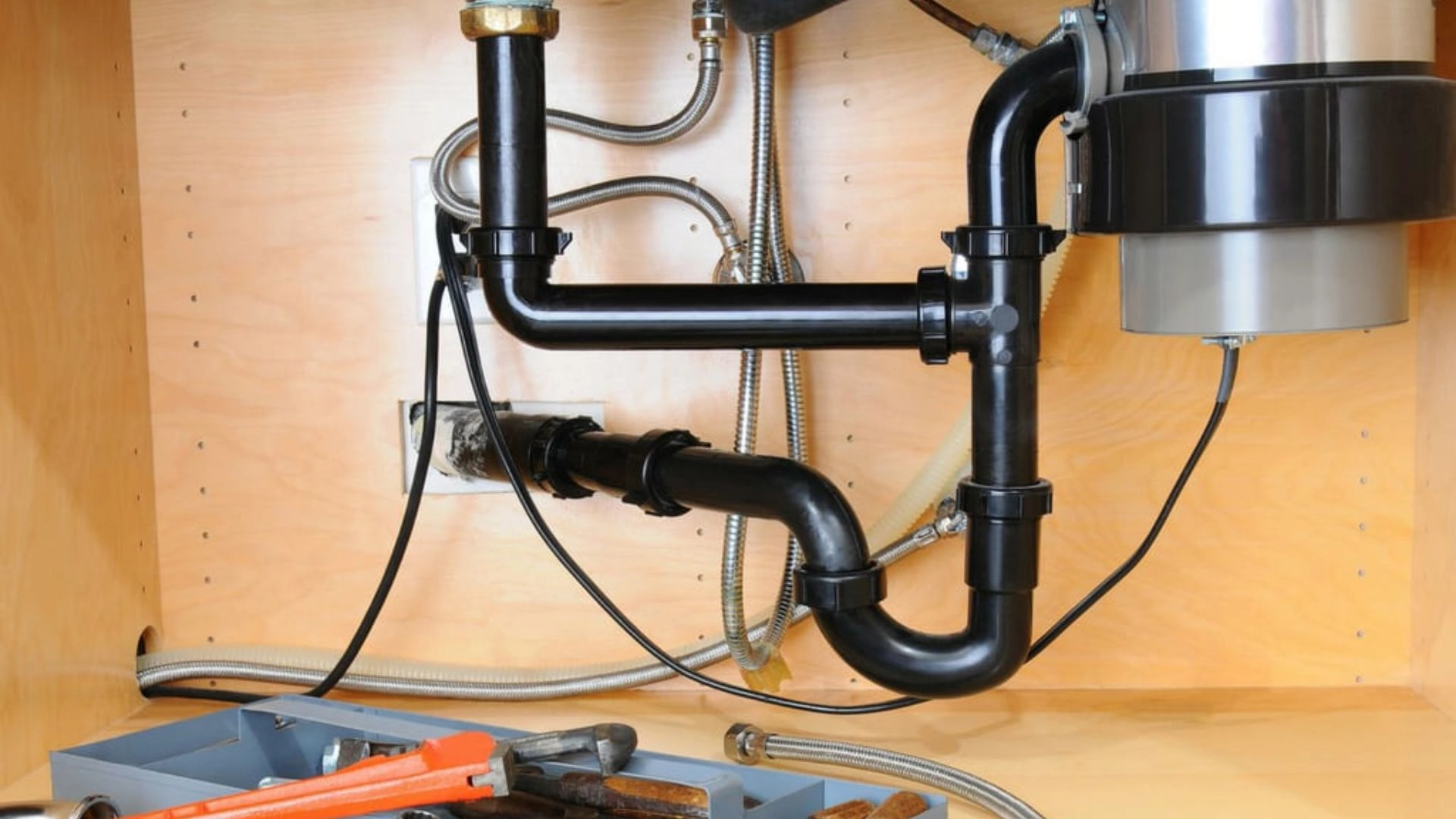
This is important to prevent potential drain backup or siphoning issues that could occur if a trap’s water seal is compromised. Independent vents also allow fixtures to rapidly evacuate drainage without pressure interference from other fixtures discharging simultaneously.
Maintaining separate vent pathways supports efficient drainage for each fixture while avoiding problematic pressure differences. It likewise keeps trap seals intact, blocking sewer gases from potentially entering the home.
By complying with venting codes and standards, homeowners can rest assured that individual vents support adequate sanitation and drainage throughout their plumbing system.
Code Compliance and Inspections
Proper venting is essential to comply with Australian plumbing codes and regulations. The National Construction Code sets fixture vent placement and sizing requirements to ensure drainage systems function safely.
Plumbing inspectors check vent installation meets standards during construction and renovations. They examine vent termination points, pipe sizing and placement relative to fixtures.
Getting your drainage system certified by an inspector ensures it is correctly configured. An inspector can also check for existing venting issues if concerns arise later.
Non-compliance could lead to issues being ordered to be remedied. As plumbing work requires a permit and inspection in most states and territories, homeowners should only use licensed plumbers who understand local codes. This ensures venting is addressed appropriately from the start.
When to Call a Professional
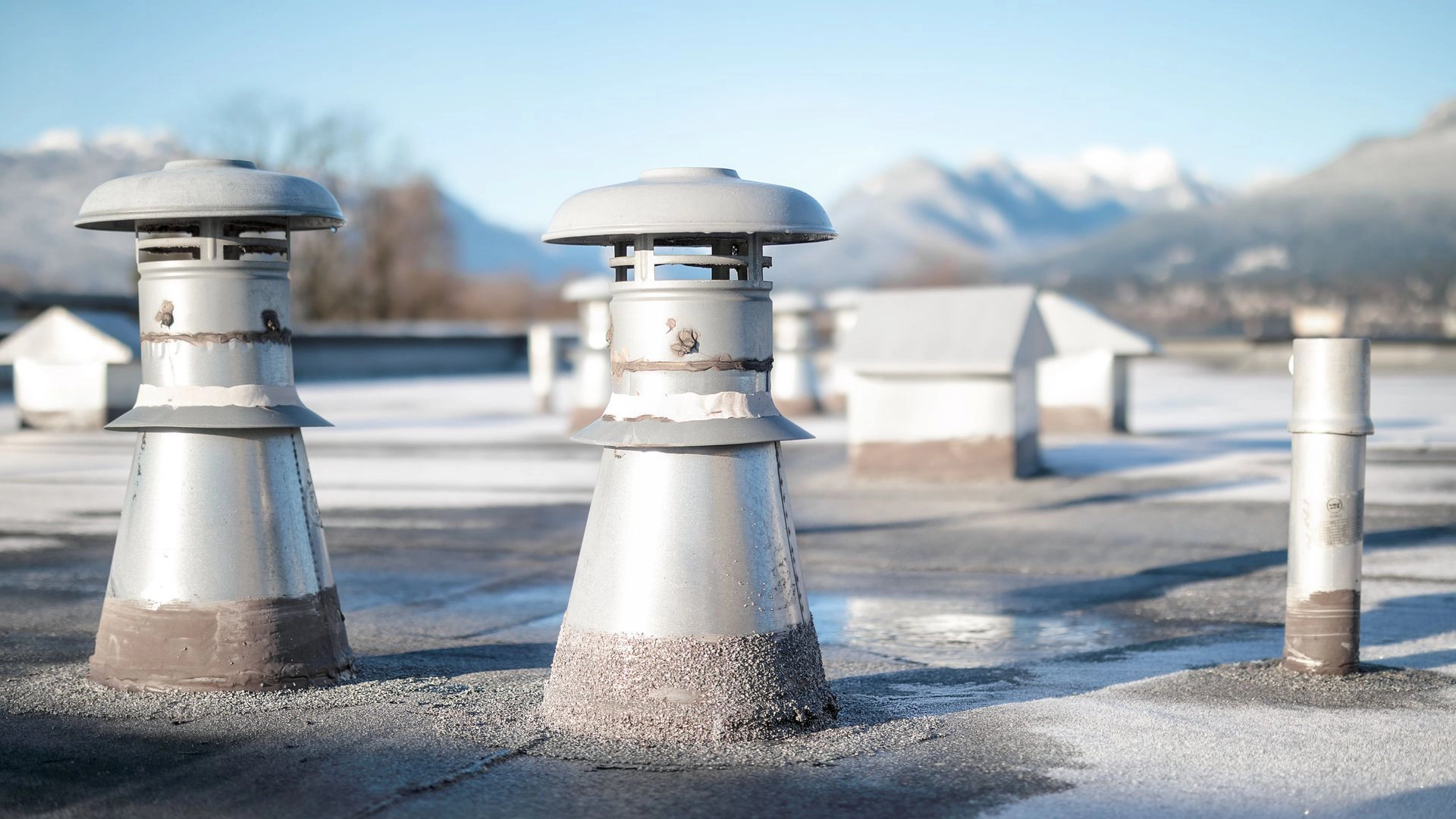
While minor plumbing repairs may be DIY, venting work should typically be left to licensed professionals. Individual vents are integral to your drainage system, so any new installation or changes require permitting and inspection.
Professional plumbers have the expertise to correctly size, route, and terminate vents according to Australian standards. They can also check venting for issues if drainage problems arise.
It’s best to consult a plumber if you notice gurgling sinks or toilets, sink siphoning, or strange odours—these could indicate venting issues. Plumbers have the tools and training to investigate thoroughly, make any needed updates, and arrange required inspections.
It is recommended that you trust the job to qualified plumbing tradespeople to ensure that your home’s venting complies with regulations. Their licensure ensures that the work will pass muster with plumbing authorities.
Ensure Proper Venting of Plumbing Fixtures
Proper individual venting of fixtures ensures efficient drainage and safety within the home’s plumbing system, as the plumbing code requires. By understanding which fixtures legally require their own vent and why standalone venting is necessary, homeowners can take steps to maintain a compliant venting configuration.
Should you notice any potential issues with venting in your Gold Coast home, it’s recommended that you contact a professional plumbing company. As the local and trusted licensed plumbing business serving the Gold Coast area, Gold Coast Plumbing Company has the expertise to inspect, repair or update venting systems as needed while ensuring code compliance. Feel free to reach out to our team of qualified plumbers with any questions or for assistance regarding plumbing venting requirements in your home.
Published by: Pascal Harb3 September 2025