Last Update: 3 September 2025
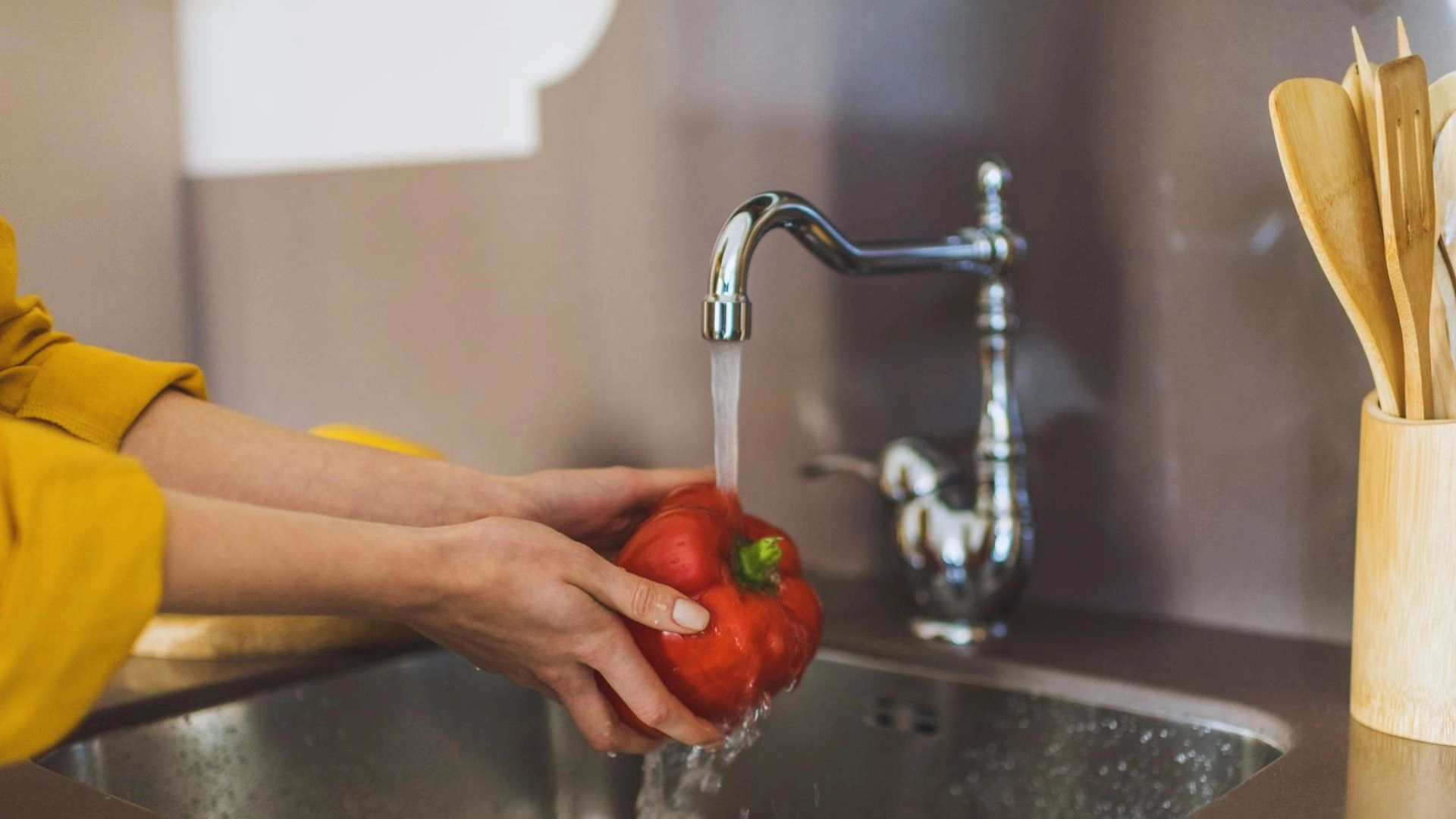
In an era where water conservation is paramount, this guide highlights the critical role of water-efficient plumbing fixtures in Australian homes and businesses. With average families consuming over 30,000 litres monthly, adopting these fixtures offers significant benefits, including substantial water and energy bill reductions, increased property value, and improved indoor air quality by minimizing moisture.
The article delves into various types of water-saving solutions, such as low-flow shower heads, high-efficiency toilets (including dual-flush options), and modern faucets, detailing how to select the best ones based on WELS registration, flow rate, compatibility, and budget. It also provides essential tips for installation and ongoing maintenance, emphasizing the importance of professional assistance and regular monitoring to maximize savings and environmental impact.
Plumbing fixtures come in all shapes and sizes, so it’s easy to choose one that matches your home decor.
But the real challenge is choosing water-efficient plumbing fixtures that will help you save water and keep your daily water consumption in check. Why bother?
Well, according to YourHome, Australians use more water than people in other countries. An average Australian family of four uses more than 30,000 litres of water monthly.
And with water becoming an increasingly sparse resource worldwide, practising water conservation efforts should be the norm. One way to do this is by installing water-efficient fixtures in our homes and businesses.
So, let’s explore the benefits of water-saving fixtures and how to choose the best ones for your requirements.
Benefits Of Installing Water-Efficient Fixtures
1. Water Conservation
The most obvious benefit of installing water-saving plumbing fixtures is water conservation. By using less water, your household reduces its impact on the environment.
2. Reduced Water Bill
Installing water-efficient fixtures can significantly lower your water bills. Since you use less water, you will pay fewer monthly water bills.
3. More Energy Savings
With lesser water usage, your water heater will also get a breather. And since you’ll use less energy to heat and transport the water, you’ll also get lower energy bills.
4. Boosts Property Value
Water-efficient fixtures are becoming increasingly popular among homebuyers looking for eco-friendly and energy-efficient homes. So, installing water-saving plumbing fixtures can increase the value of your home and make it more attractive to potential buyers.
5. Better Indoor Air Quality
Water-saving plumbing can reduce the moisture in your home, improve indoor air quality, and reduce the risk of mould growth.
Need Help From Gold Coast Plumbing?
Types Of Water-Efficient Fixtures
1. Low-Flow Shower Heads
Showeringis deemed the third-largest source of indoor water consumption in an average household. So, it makes a lot of sense to invest in low-flow showerheads for each bathroom. Consider switching to water-efficient, low-flow shower heads and limiting your bath time to three minutes for optimum savings.
2. Low-flow Toilets
Toilets are the primary culprits behind water waste. So, if your toilet was installed before 1994, it is most likely using more than the required amount of water in each flush.
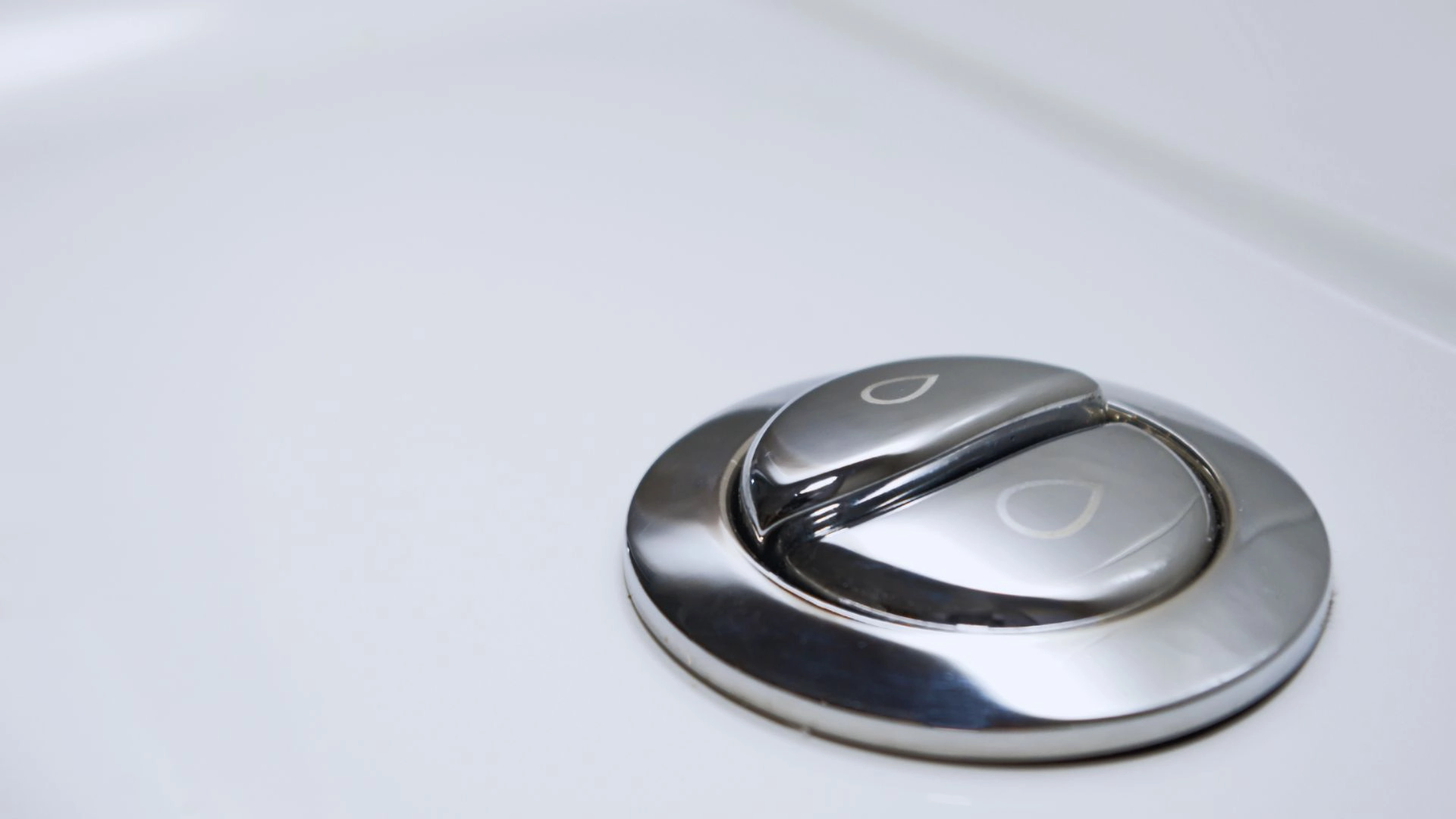
That’s when we recommend switching to high-efficiency, low-flush toilets that use less than 4.9 litres of water per flush. You could also consider a dual-flush toilet with a full flush for solid waste and a half flush for liquid waste.
3. High-Efficiency Faucets
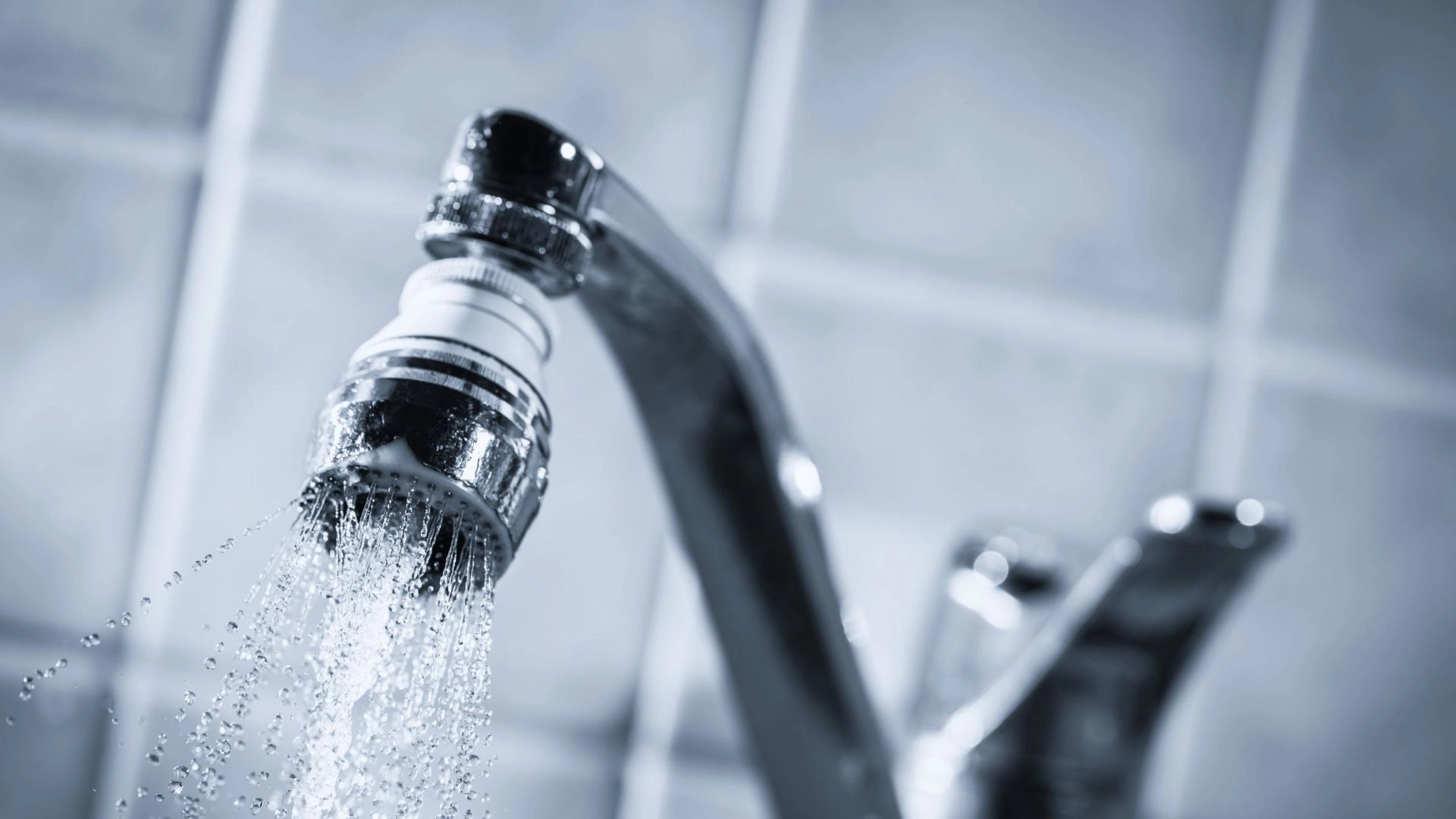
Older models of inefficient faucets can use up to 8.3 litres of water every minute, significantly increasing your water bill. To lower your water bill, install water-efficient faucets with a water flow rate of 5.6 litres or less.
You can install a flow restrictor or an aerator on your sink faucets to convert them into low-flow taps.
Choosing The Right Water-Efficient Fixtures
1. WELS Registration
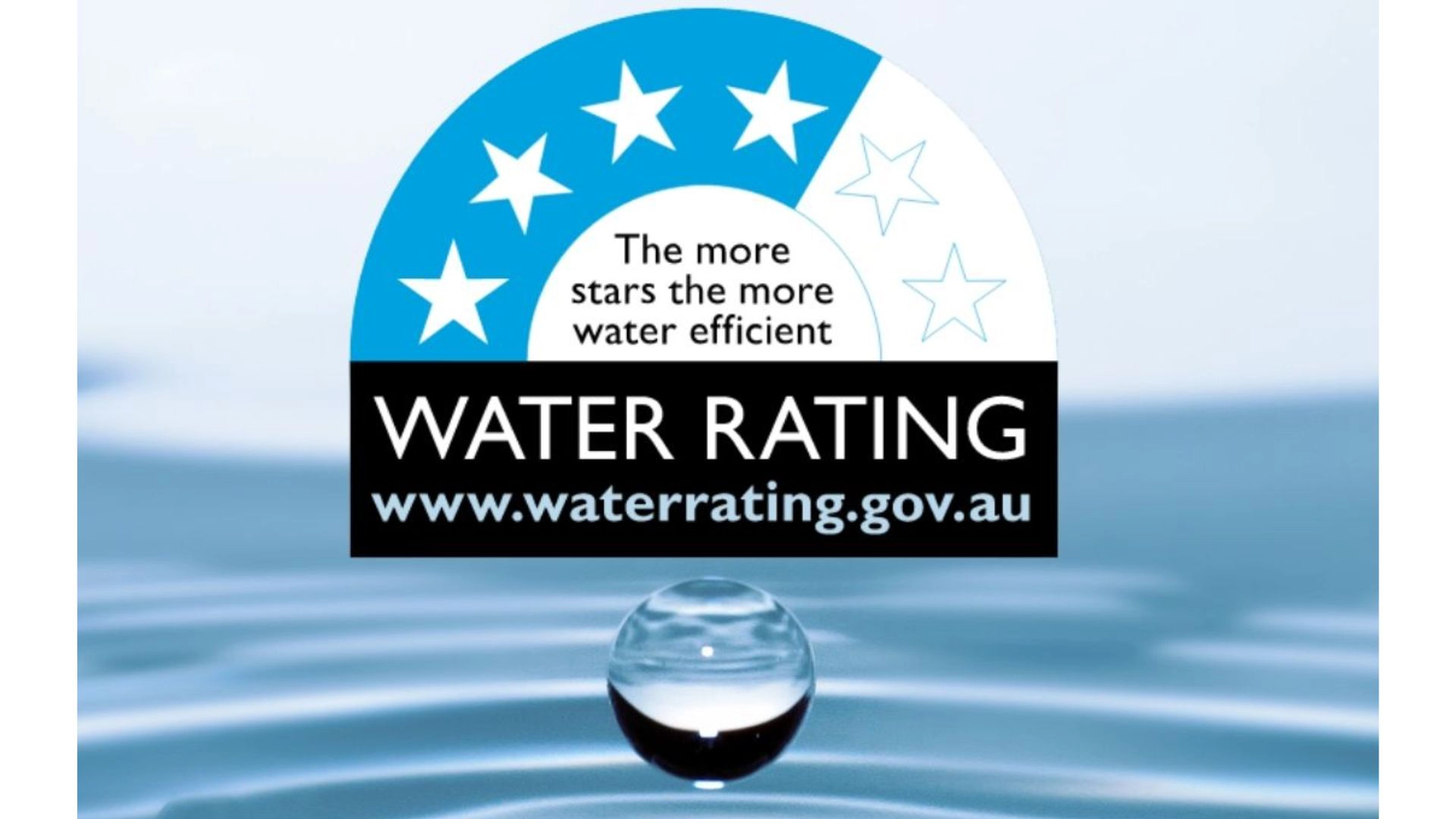
Look for plumbing fixtures that are rated by the Australian government and contain the WELS registration number. This certification ensures that the fixture meets water efficiency and performance standards set by the Water Efficiency Labelling and Standards (WELS) Act.
2. Flow Rate
It would be best to look for low-flow fixtures as they will help you conserve water more efficiently.
3. Compatibility
Take into account the compatibility of the fixture with your plumbing system. Some fixtures may require additional installation or modifications to your plumbing.
4. Cost
Water-efficient plumbing fixtures can be more expensive than traditional fixtures, so consider your budget when choosing one.
5. Type Of Fixture
Check the fixtures you need, such as a showerhead, faucet, or toilet. Each type of fixture may have different water-efficiency options available.
6. Brand Reputation
Last, look for brands with a good reputation for quality and reliable customer service.
Installation And Maintenance Of Water-Saving Fixtures
1. Choose Water-efficient Or Low-flow Fixtures
Select water-efficient fixtures like low-flow showerheads, faucet aerators, and toilets. Also, ensure that the products you choose have the WELS label.
2. Shut Off The Water Supply
Before you start any installation or maintenance work, turn off the water supply to the fixture you’re working on. You can usually do this by turning off the valve located under the sink or toilet.
3. Install The High-efficiency Plumbing Fixtures
Follow the manufacturer’s instructions to install the new fixture. Be sure to use the right tools and materials for the job. However, we highly recommend contacting a professional plumber for installation to avoid any accidents and damage to your property.
4. Check For Leaks
Once the fixture is installed, turn on the water supply and check for leaks. If you find any leaks, tighten the connections or replace damaged parts.
5. Maintain The Plumbing Fixture
Routine maintenance is essential for keeping your water-efficient plumbing fixtures working correctly. Clean the fixtures regularly to prevent mineral build-up, and replace any damaged parts promptly.
6. Monitor Your Water Consumption
Keep track of your water usage to see how much water you save with your new fixtures. You can use your water bill or a water meter to monitor your usage.
Saving Water & Money: Choosing The Best Water-Efficient Fixtures
Investing in water-saving plumbing fixtures is beneficial for your budget and the environment. It’s a win-win situation!
However, it is essential to choose the right plumbing fixture for your needs, and, as a responsible citizen, you should ensure that the plumbing system is maintained and inspected regularly. And that’s where Gold Coast Plumbing Company can help you out!
With our team of professional plumbers at your beck and call, we’ll help you choose and install efficient faucets, water-saving shower heads, and low-flow toilets. And if anything goes wrong, we’ll be there to fix it right away!
Published by: Pascal Harb3 September 2025