Last Update: 3 September 2025
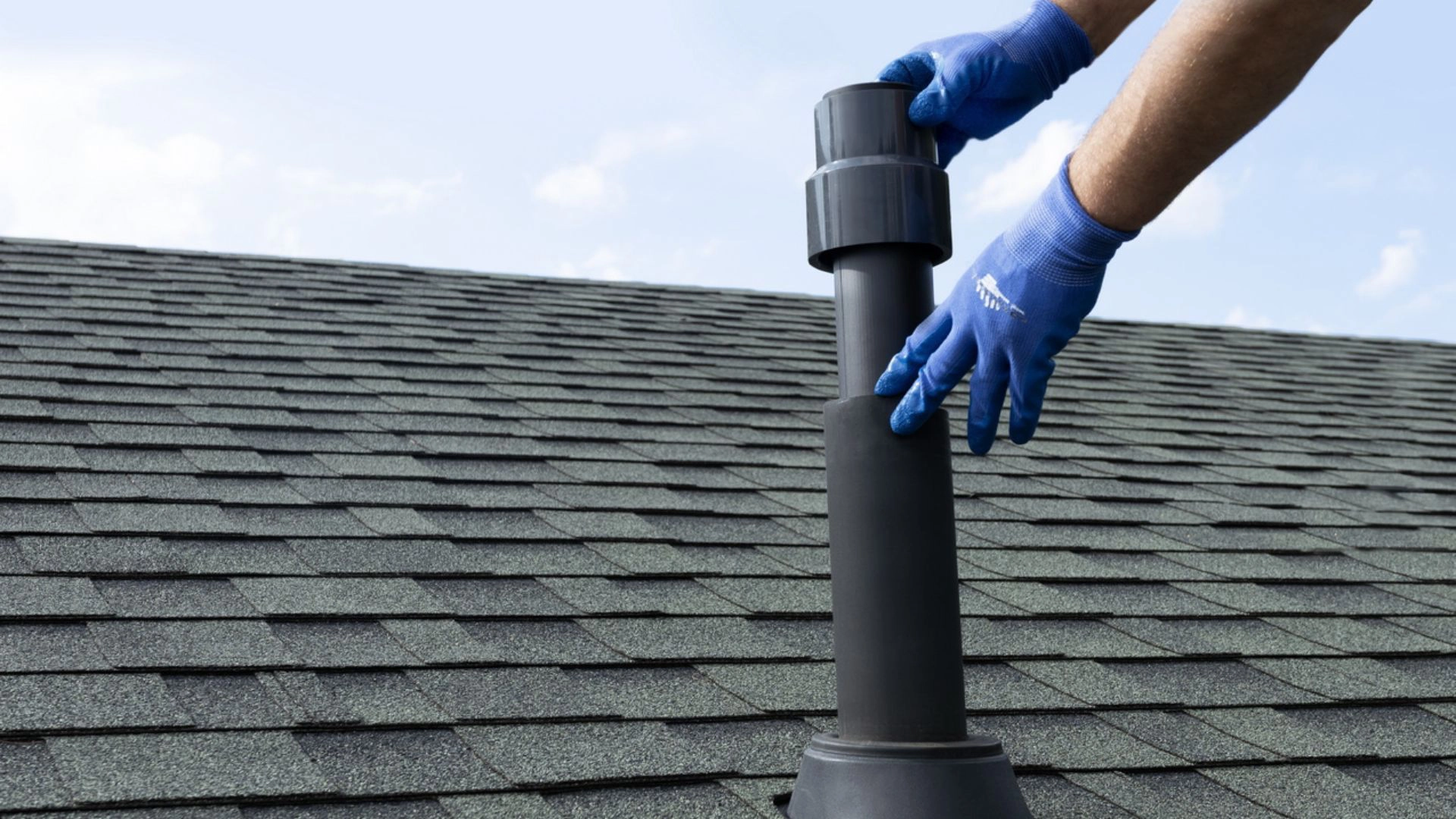
Plumbing vents are an essential yet often unseen part of your home's drainage system, crucial for its proper function and safety. These pipes allow air into the drainage system, preventing negative or positive pressure buildup that could lead to siphoning water from P-traps or forcing sewer gases back into your living spaces. Without adequate venting, you might experience slow drains, gurgling noises, or even unpleasant sewer smells.
This comprehensive guide delves into the world of plumbing vents, explaining their purpose, how they work, and why they are a necessary component mandated by plumbing codes. It covers various types of vents, signs that indicate your home might need additional venting, and best practices for installation and routine maintenance. Understanding these vital components ensures a hygienic home and an efficiently operating drainage system, protecting your household from potential issues.
What are Plumbing Vents?
Plumbing vents are pipes that allow air into a home’s drainage system. All drain pipes in a home are sloped to allow wastewater to flow toward the main sewer or septic line. However, draining water flow without vents could siphon the remaining water in traps and p-traps, allowing sewer gases to enter the home. Vents introduce incoming air at various high points in the plumbing system. This incoming air prevents the drain pipes from becoming pressurised by wastewater and also allows the sewer gases a path of escape. The most common type of vent is a stack vent, which extends through the roof to allow proper airflow —other vent types branch off the main stack to service various fixture groups.
Need Help From Gold Coast Plumbing?
How Do Plumbing Vents Work?
Plumbing vents provide a direct air channel connected to drain pipes at high points throughout the drainage system. As wastewater flows through the downward-sloping drain lines, the air in the vents essentially replaces the space vacated by flowing water. Without this air replacement, drainpipes could develop either negative (vacuum) or positive pressure as water moves through them. Negative pressure could siphon water from traps, allowing sewer gases to enter homes. Positive pressure could cause a clogged vent pipe or even cause P-traps to blast water and waste out of fixtures. Introducing air at high points in the plumbing vent system balances pressure inside the drain system and allows water to flow freely. The open-air channels in vents also provide an easy path for sewer gases to safely vent to the outdoors rather than back into living spaces.Why Are Plumbing Vents Necessary?
Plumbing vents are necessary for several critical reasons, such as proper drainage system function and home safety. Issues like siphoning, sewer gas infiltration, and drainage problems can occur without adequate venting. When a fixture is used, the rushing water can create a vacuum effect that siphons water out of P-traps if the drain line is not vented. This allows harmful sewer gases to enter the home’s living space. Similarly, changes in pressure caused by flowing water could push sewer gases up through unsealed traps and into the home if venting does not provide an escape route. A lack of ventilation in drain lines can also disrupt the flow of wastewater, inducing positive or negative pressure that interrupts smooth drainage and potentially forces water out of traps. Plumbing vents balance fresh air pressure by connecting the drain system to outdoor air channels and preventing these issues. Their inclusion is critical to keeping the home hygienic and ensuring the sanitary drainage pipes function correctly.Common Plumbing Vent Types
Several different types of plumbing vents are commonly used in residential plumbing systems. The type of vent installed will depend on factors like the layout of the home and the number of drainage fixture units.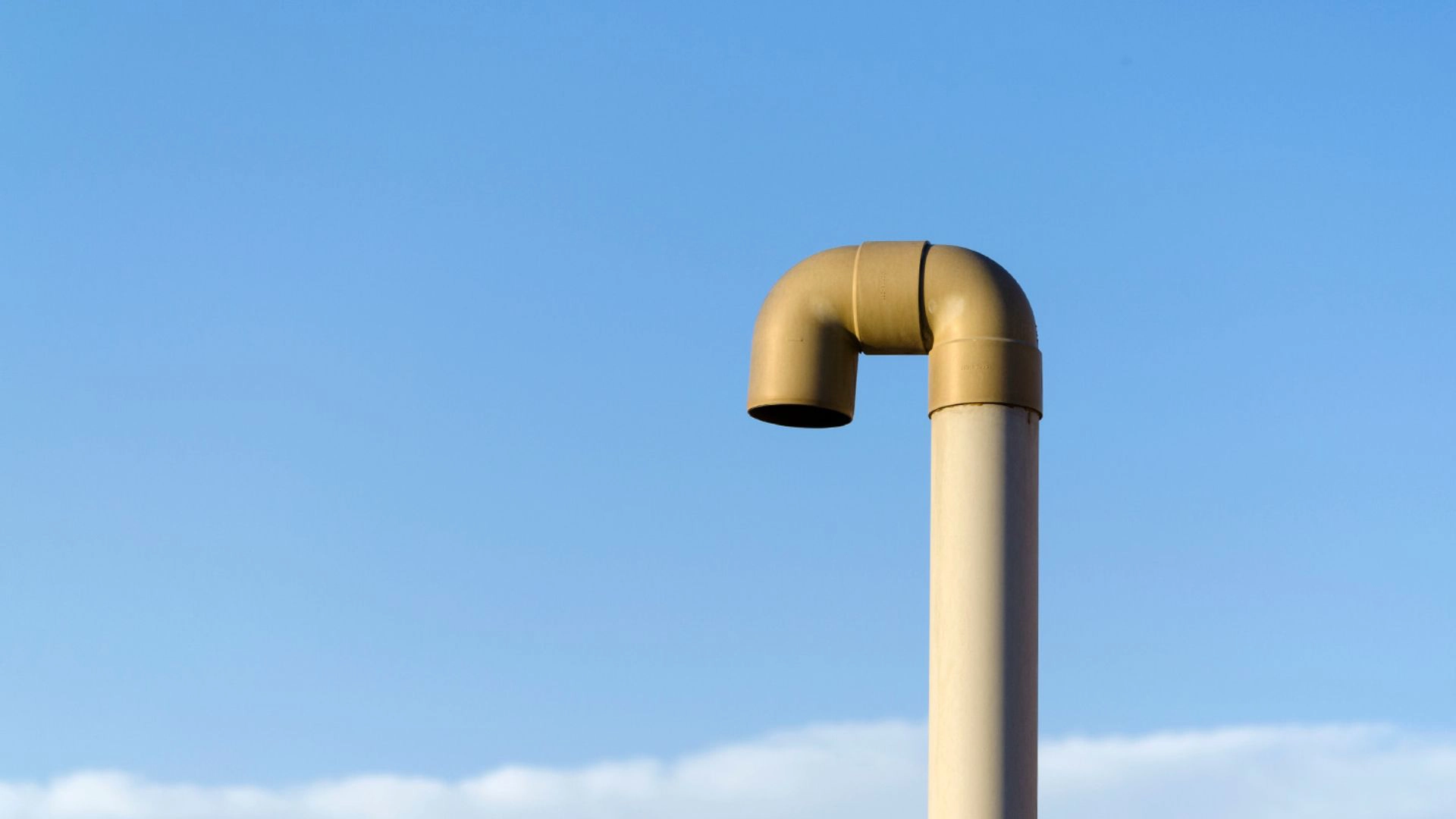
Stack Vents
Stack vents are among the most common vent types. As the name suggests, they run vertically through the structure as a “stack” that collects venting from multiple levels and branches before extending through the roof. Stack vents work well for multi-story homes.Circuit Vents
Circuit vents vent groups of fixtures, such as those in a single bathroom. They branch off the main plumbing vent pipes and stack horizontally to surround and vent the perimeter of a fixture group before connecting back to the primary stack.Island Vents
Island vents are required for any fixture or fixture group trapped further than 6 feet from the nearest vent stack or branch. They extend through the roof independently to provide direct venting to remote “fixture islands.”Individual Vents
Some codes allow individual plumbing air vents for each fixture drain as an alternative to circuit vents, such as a plumbing vent pipe extending directly off a sink drain up through the roof. These vents can provide flexibility but take up more space than other types.Signs Your Home May Need Additional Vents
There are a few noticeable signs that can indicate your home’s plumbing system may need additional vents installed. Fixtures that drain slowly, especially multiple fixtures at once, are a tell-tale symptom.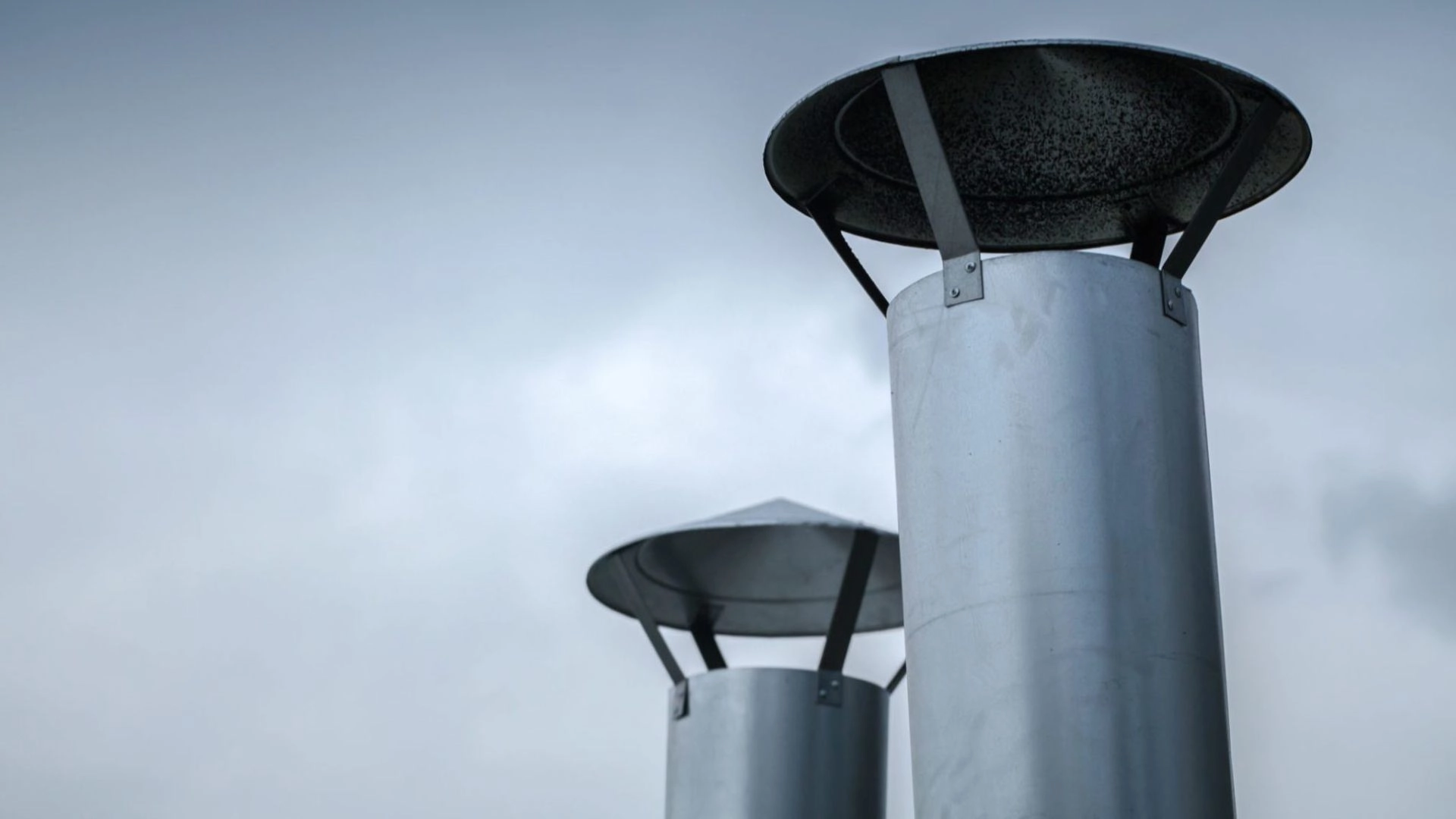 Due to siphoning issues, you may hear gurgling or gulping noises from drain pipes. Standing water in traps between uses suggests the system is experiencing negative pressure vacuums. Furthermore, occasionally catching whiffs of sewer gas, particularly near P-traps or drains, means venting may not be sufficient. A licensed plumber can inspect the venting layout, perform drain tests, and check for gas infiltration to determine if more vents are required. Addressing inadequacies early can prevent bigger problems related to drainage, trapping, or infiltration of toxic fumes into living areas.
 Proper Vent Installation and Maintenance
Ensuring plumbing vents are properly installed and routinely maintained is vital to maximising their effectiveness. Vents must terminate outdoors and extend high enough to meet plumbing codes, whether through the roof or wall vents on slab foundations. They should be secured firmly with hangers or straps and have smooth interior surfaces free of debris. Over time, vents can corrode, leaks can develop, or blockages from nesting animals or plant roots may occur. Homeowners should check vent piping every 5-10 years, depending on use and replace any sections showing damage. Vents located outdoors need more frequent checking due to weather exposure. Keeping vent pathways clear keeps the drainage system ventilated and prevents issues from developing. Proper installation followed by regular maintenance ensures a home’s plumbing vents can fulfil their essential purpose for years.When to Call a Professional Plumber
While homeowners can handle essential plumbing vent maintenance, some situations warrant a professional plumber. Whenever you notice significant drainage or venting problems, it’s best to call a plumber for an assessment.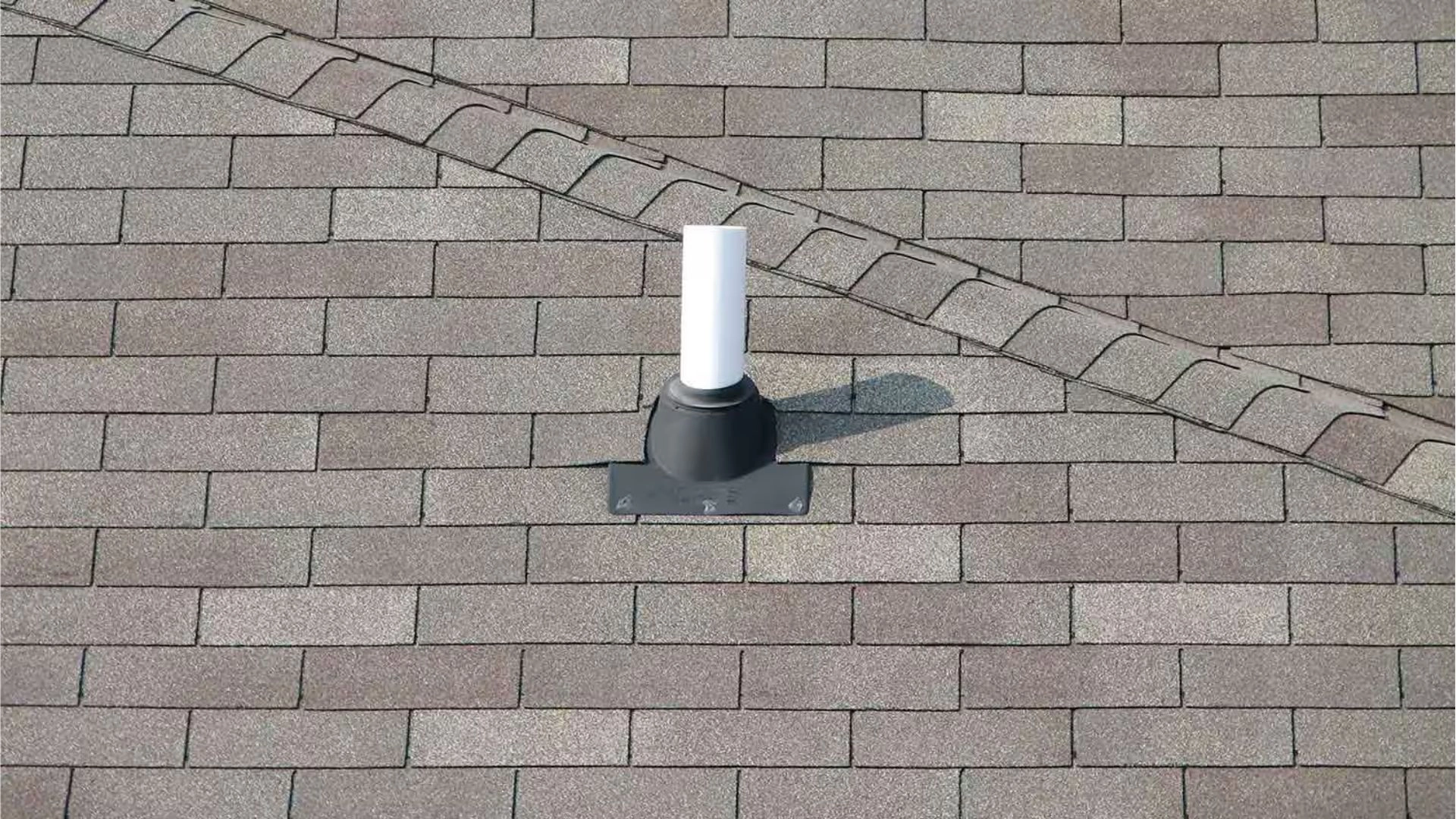 They have the proper tools and training to thoroughly inspect your drainage system, identify deficiencies, and determine the best solution. Plumbers should also be contacted if you are unsure about vent installation requirements, need to modify an existing vent configuration or suspect improper venting during a remodel. Dealing with slab foundations also requires expertise, as the venting layout differs. A plumber can ensure that new installations or repairs are done according to the current code. Finally, vent work involving partial or complete replacement is best left to a licensed plumber for compliance and safety. Their expertise helps ensure plumbing vents continue benefiting your home’s performance and livability.