Last Update: 3 September 2025
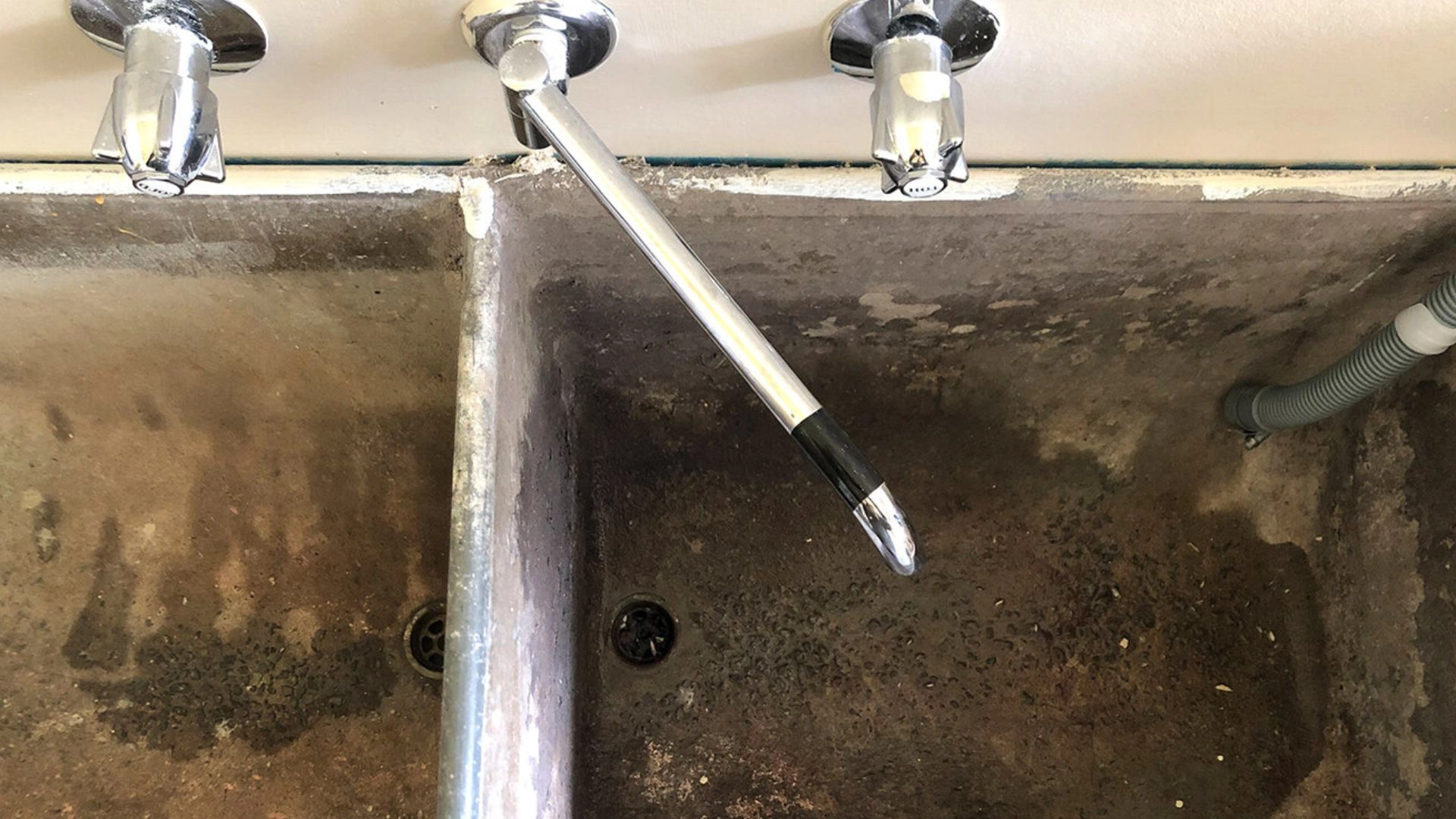
A blocked laundry drain can quickly turn into a major headache, causing slow drainage, gurgling sounds, and foul odors. Ignoring these early warning signs can lead to serious issues like pipe damage, water pooling, and costly repairs. Common culprits include lint, fabric debris, soap scum, dirt, grease, and even small foreign objects like socks or coins. Recognizing the symptoms early, such as water backing up or strange noises, is crucial to prevent escalating problems like burst pipes or extensive water damage.
Fortunately, many laundry drain blockages can be tackled with DIY methods before professional help is needed. Simple solutions include removing visible obstructions, using a plunger or drain snake, cleaning the drain hose, or pouring boiling water down the drain. A mixture of baking soda and vinegar can also be effective for minor clogs. However, if these methods fail or if you encounter persistent issues, it's time to call a licensed plumber to address deeper problems like broken pipes or tree roots, ensuring your drainage system is protected and functioning efficiently.
Ever noticed your laundry sink draining slowly or making odd gurgling sounds? That could be your plumbing system waving a red flag. Blocked laundry drains are a headache many Aussie homes face, particularly in older properties or those with heavy washing machine use.
Common signs include foul smells, standing water, or the classic slow drain. Ignore them, and you’re inviting serious issues like pipe damage, water pooling on the floor, and costly repairs. Acting quickly helps protect your drainage system and your laundry room.
Laundry room issues can escalate fast. What starts as a slow wash cycle can end with water flooding across your floor or expensive damage to walls and flooring. Staying ahead of these problems isn’t just smart, it’s necessary.
What Causes a Laundry Drain to Get Blocked?
Laundry drain blockages are often caused by a build-up of everyday grime and foreign objects. Lint and fabric debris from towels and clothes are some of the most common culprits. Over time, they clump up in the drain pipe, causing resistance that slows water down the drain.
Soap scum is another offender. Caused by soap mixing with hard water, it sticks to the inner walls of pipes and narrows the passage. Dirt and grease from muddy sports gear or work clothes also add to the mess. Even pipe scale forms inside older pipes, restricting flow and contributing to gradual blockages in the plumbing system.
Sometimes it’s not what you expect. A sock or small towel can fall behind your washing machine and get sucked into the drain hose. Coins or clips left in pockets can slip through the washer’s drains, creating stubborn clogs. There’s even the odd case of a child’s toy mysteriously vanishing into the sink, only to block water flow days later.
One surprising problem? Grease. Although more commonly associated with kitchen drains, grease from workwear or cleaning cloths can build up in the drain pipe and combine with lint, soap, and debris to cause a blocked drain.
These are all common causes of a clogged drain in the laundry. Spotting them early can make a big difference.
Need Help From Gold Coast Plumbing?
How to Tell If Your Laundry Drain Is Clogged
Spotting a blocked drain early can save you from a plumbing disaster. Look out for slow-draining water or water backing up into the laundry sink. A clogged drain often causes strange gurgling noises or bubbling sounds that echo through the pipes.
Foul odours are another warning sign. If you catch a whiff of something funky when doing laundry, check the washing machine drain. Soap scum, grease and dirt trapped in pipes can start to smell if they sit too long without being flushed through.
Water pooling around your machine or leaks from the hose from the machine can also point to trouble. If the drain filter is full or the drain hose is kinked or blocked, your machine could struggle to pump water effectively.
Another red flag? If water comes back up after you try pouring hot water down the drain, that means there’s serious resistance.
Don’t ignore early symptoms. What starts as a minor blockage can lead to burst pipes, water flowing across the laundry room floor, or even long-term damage to your washing machine.
DIY Methods to Unblock a Laundry Drain
Before calling for professional plumbing services, there are a few simple home remedies to try.
Remove Visible Blockages
Start by removing visible blockages from the sink or drain hose. Pull the washer away and check the back of the machine for anything obstructing the flow. It might be as simple as a small towel caught behind your washing machine.
Use a Plunger
Try a plunger to create suction and clear clogs. Make sure the area is sealed for best effect. This is a quick method to dislodge surface-level debris.
Try a Drain Snake or Plumber’s Snake
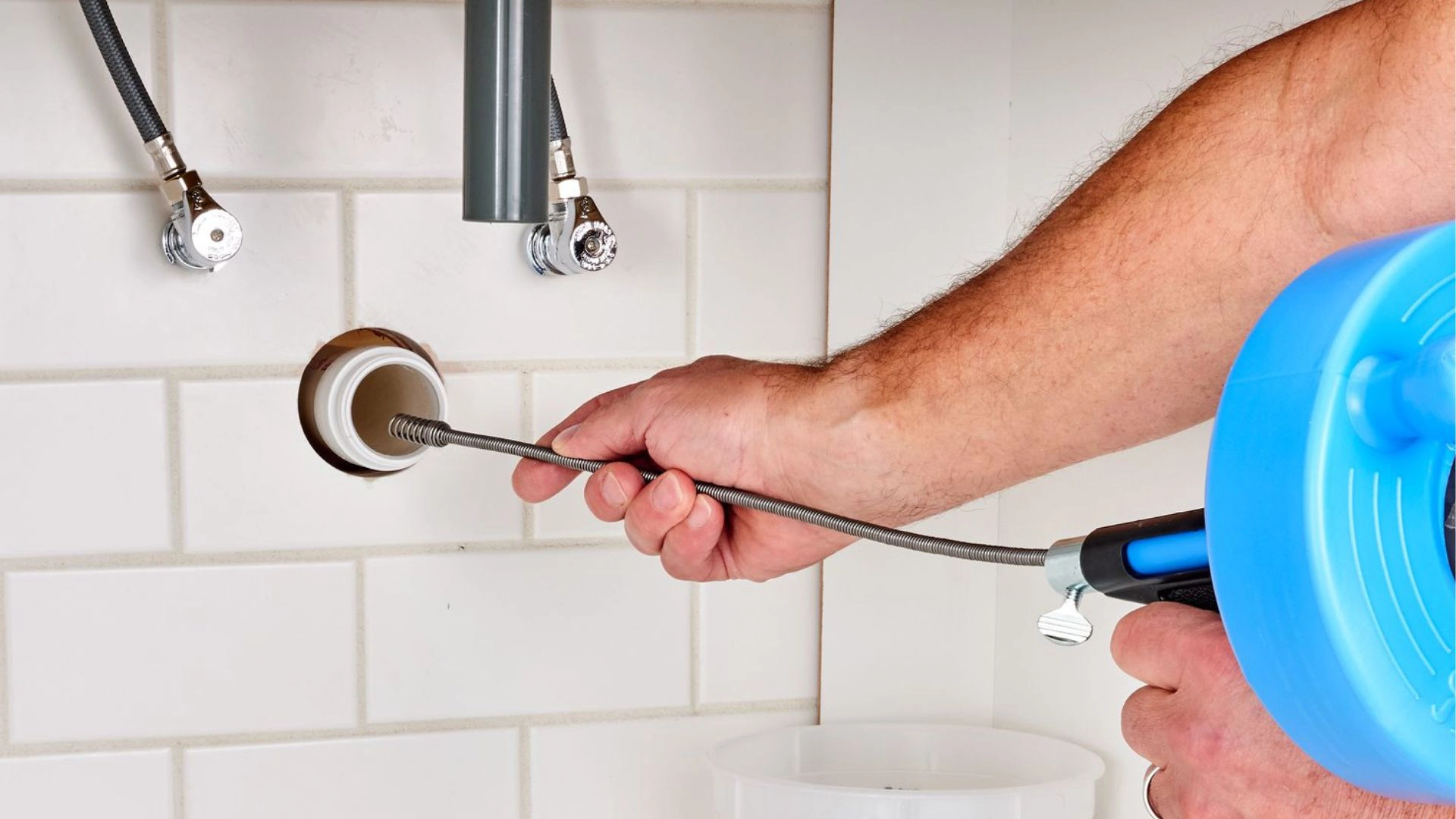
For tougher jobs, a plumber’s snake or drain snake (also known as a drain auger) can reach deeper and clear out gunk that’s out of sight. This is especially handy for drain blockages deeper in the pipe.
Clean the Drain Hose
Cleaning the drain hose is another good step. Remove the hose from the machine and run water through it. If there’s resistance, use a flexible brush or the drain auger to push out any debris. Grease and soap often cling to the inside of hoses, slowing down the flow.
Pour Boiling Water
Pouring hot water is often enough to melt grease or loosen soap scum. Use boiling water carefully to avoid burns.
Use Baking Soda and Vinegar
A mix of one cup of baking soda and a cup of white vinegar can also help. Pour the baking soda and vinegar down the drain, let it fizz for 10-15 minutes, then follow up with more boiling water. This method works well for minor blockages and is a safer alternative to harsh chemical cleaners.
Apply Commercial Drain Cleaner
If you go for a commercial drain cleaner, always follow the instructions closely. Wear gloves, keep the room well-ventilated, and never mix different drain cleaner products. Chemical reactions can be dangerous.
DIY can be handy, but don’t force anything. If you feel strong resistance when using a drain auger or plumber’s snake, stop. It’s not worth damaging pipes or making the blockage worse. That’s when you know it’s time to bring in a professional.
When It’s Time to Call a Professional
Sometimes, DIY just won’t cut it. If you’ve tried pouring hot water, using baking soda, and even the plumber’s snake with no luck, it’s best to bring in plumbing services.
Persistent smells, recurring drain blockages or water leaking behind your washing machine can signal deeper issues. You could be dealing with broken pipes, tree roots, or an internal clog in the plumbing system that’s beyond the reach of home tools.
Blocked laundry drains can hide bigger problems. Water damage inside walls, cracks in pipes, or even corrosion from long-term blockages might be the root cause. These are situations where professional help is essential.
Leaving these problems unchecked risks mould growth, damage to walls, and expensive appliance repair. A licensed plumber has the tools and know-how to clear clogs safely and thoroughly, without damaging your pipes or floor.
Plus, they can replace worn-out parts, clean deeper sections of your plumbing, and inspect the drainage system to prevent future trouble. So when your DIY fix fails, calling a professional is the best way to protect your home.
How to Prevent Future Laundry Drain Blockages
Prevention beats repair. Start by fitting a mesh filter or lint trap on the drain hose. These catch debris before it clogs your pipes. Wash them regularly to keep them working properly.
Regularly flush the drain with hot water to break down soap build-up. Cleaning the drain hose every few months helps too, especially if your laundry handles heavy loads or you wash a lot of towels and workwear.
Keep a close eye on what goes down the sink. Avoid letting small items like socks, coins or hairpins slip into washer drains. Empty pockets before you wash clothes and use laundry bags for small garments.
Check and clean the drain filter inside your washing machine as part of your routine. A clogged filter restricts drainage and adds pressure to the pump. Many washer drains also benefit from a quick rinse with white vinegar to remove build-up.
It also pays to schedule professional plumbing services annually. A quick check can catch issues early. Professionals can assess pipes, clear partial blockages and ensure your drainage system is working efficiently.
These preventive measures go a long way in keeping your laundry drain flowing freely. And remember: keeping your washing machine and drainage setup clean isn’t just about preventing a blocked drain. It helps your machine last longer and run more efficiently.
Don’t Let a Blocked Laundry Drain Disrupt Your Day
Blocked laundry drains are frustrating, but the good news is they’re fixable. With the right approach, you can clear clogs and get back to your routine. Just remember, early action prevents damage, stress, and mess.
If you’re in the Gold Coast and facing persistent drain issues, it’s smart to reach out to Gold Coast Plumbing Company. Their experts can handle even the most stubborn clogs with ease and care.
Save yourself the hassle, and contact us today. Don’t wait for a minor blockage to become a major problem. Stay alert, stay proactive, and your laundry room will stay dry, clean, and stress-free.
Published by: Pascal Harb3 September 2025