Last Update: 3 September 2025
Soap scum build-up is a common household problem, leading to frustrating clogs and slow drainage in showers, sinks, and bathtubs. This stubborn residue forms when fatty acids in soap combine with hard water minerals, creating a sticky film that accumulates in drain pipes and restricts water flow. Proactive measures are essential to maintain a functional bathroom and avoid costly plumbing repairs.
This article outlines five effective methods to prevent soap scum. These include using a drain strainer to catch debris, regularly flushing drains with hot water, and cleaning with a baking soda and vinegar mixture. For existing clogs, a plunger or drain snake can be used. Crucially, switching from bar soaps to liquid soaps or gel-based body washes can significantly minimize residue, ensuring clear drains and a clear mind.
You’re not alone if you’ve ever experienced a clogged drain or slow drainage in your shower. Soap scum build-up is a common problem that affects many households, leading to frustrating clogs and potential damage to drainage systems.
This stubborn residue forms when the fatty acids in soap combine with minerals in hard water, creating a thick, sticky film that adheres to surfaces and accumulates inside drain pipes. Over time, this soap build-up can significantly reduce water flow and lead to complete blockages, requiring costly plumbing repairs.
To avoid these issues and maintain a functional bathroom, it’s essential to take proactive measures to prevent soap scum build-up in your shower drains. This article explores five proven methods to keep your drains clear, free of clogs, and flowing smoothly.
What is Soap Scum, and Where Does it Commonly Occur?
Soap scum is a white, chalky, or greasy residue that forms when certain types of soap interact with minerals in water, particularly in areas with hard water. This residue can accumulate on various surfaces, including bathroom fixtures, shower doors, and, most notably, within drain pipes. As soap scum builds up inside pipes, it can create stubborn clogs that impede water flow, leading to slow drainage or even complete blockages.
One of the most common places to encounter soap scum build-up is in the shower drain. Water drains from the shower and carries soap residue, dead skin cells, hair, and other debris. Over time, these substances can combine with the minerals in hard water to form a thick, sticky layer of soap scum inside the drain pipe.
This accumulation narrows the pipe’s diameter, restricting water flow and increasing the likelihood of a clogged shower drain.
In addition to a clogged shower drain, soap scum can also accumulate in other areas where water frequently comes into contact with soap, such as:
- Bathroom sinks
- Bathtubs
- Washing machines
- Kitchen sinks
- Dishwashers
To minimise the occurrence of soap scum and maintain efficient drainage, it’s crucial to clean and maintain these areas regularly, paying special attention to the drains where soap residue is most likely to accumulate.
Need Help From Gold Coast Plumbing?
Ways You Can Prevent Soap Scum Build-Up
Use a Drain Strainer
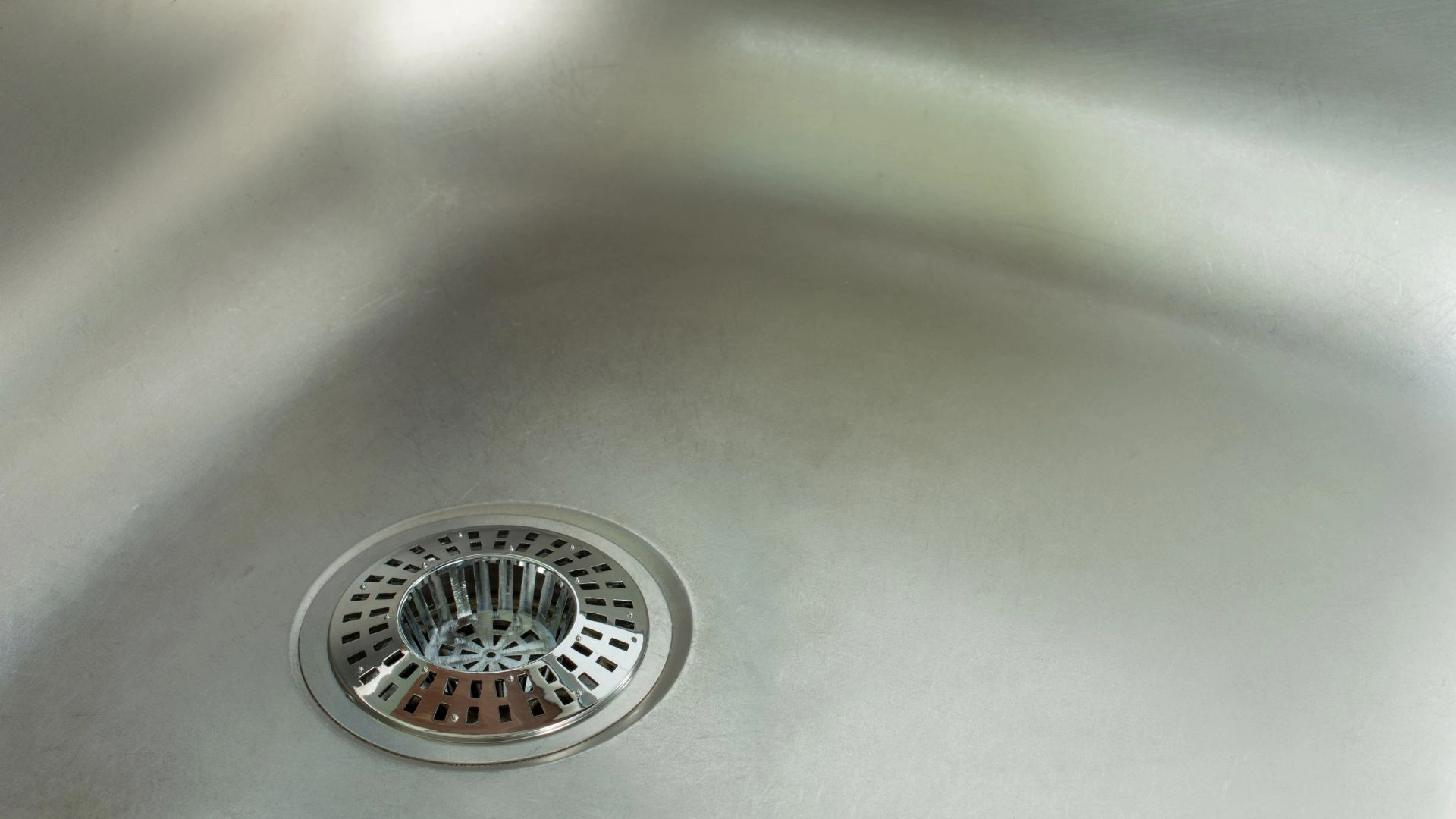
One of the easiest ways to prevent soap scum build-up and clogged shower drains is by using a drain strainer. These simple devices fit over your shower drain opening and catch hair, soap chips, and other debris before they can enter the drain pipe.
Strainers come in various designs, from basic mesh screens to more advanced models with built-in hair catchers. By regularly cleaning your drain strainer or shower drain hair catcher, you can significantly reduce the amount of soap scum and debris that accumulates in your shower drain.
Flush Drains with Hot Water
Regular flushing with hot water is another effective way to prevent soap scum build-up in your shower drains. The water’s high temperature helps dissolve and flush away soap residue before it can harden and form blocked shower drains. Make a habit of running hot water for a few minutes after each shower or bath to keep your drains clear and flowing freely. For an extra cleaning boost, you can also pour boiling water down the drain once a week to help loosen and remove any stubborn soap scum build-up that might otherwise clog drains.
While liquid detergent itself isn’t the main culprit for blocked shower drains, its interaction with minerals in hard water can create a film that attracts hair and soap scum. This build-up can eventually lead to clogs. Regularly flushing with hot water can help prevent this issue before it starts.
Clean Drains with Baking Soda and Vinegar
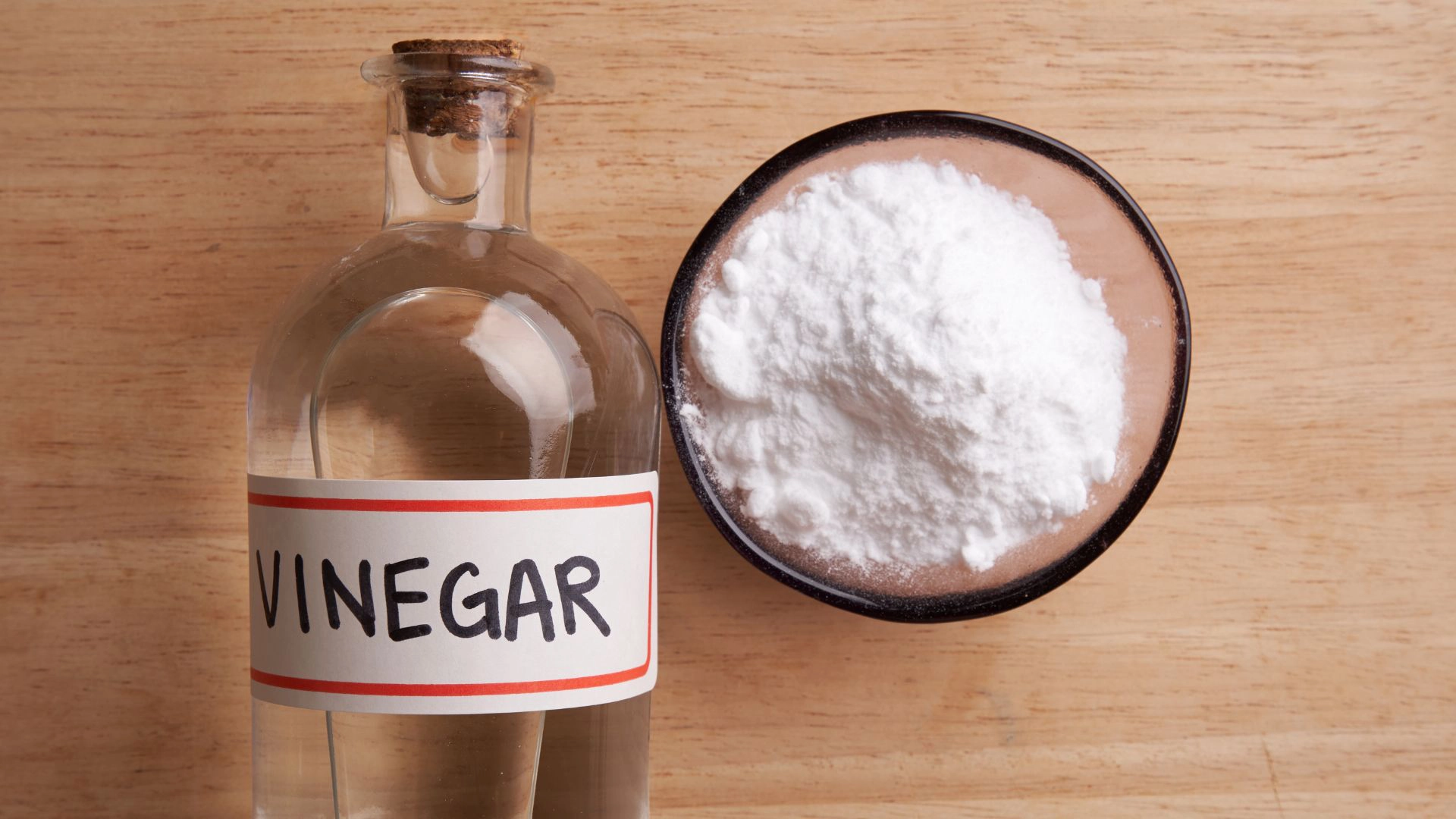
If you’re looking for a natural and effective way to remove soap scum from your shower drains, look no further than your kitchen pantry. Baking soda and vinegar are a powerful cleaning combo that can help to break down soap scum and other debris, leaving your drains clean and clear.
Here are the steps for using baking soda and vinegar to clean drains, presented in a dot-point format:
- Pour a cup of baking soda down the drain.
- Add a cup of white vinegar to the drain.
- Allow the mixture to foam and bubble for 15-20 minutes.
- Flush the drain with hot water to rinse away the loosened soap scum and debris.
Repeat this process monthly as part of your regular drain maintenance routine for best results.
Use a Plunger or Drain Snake
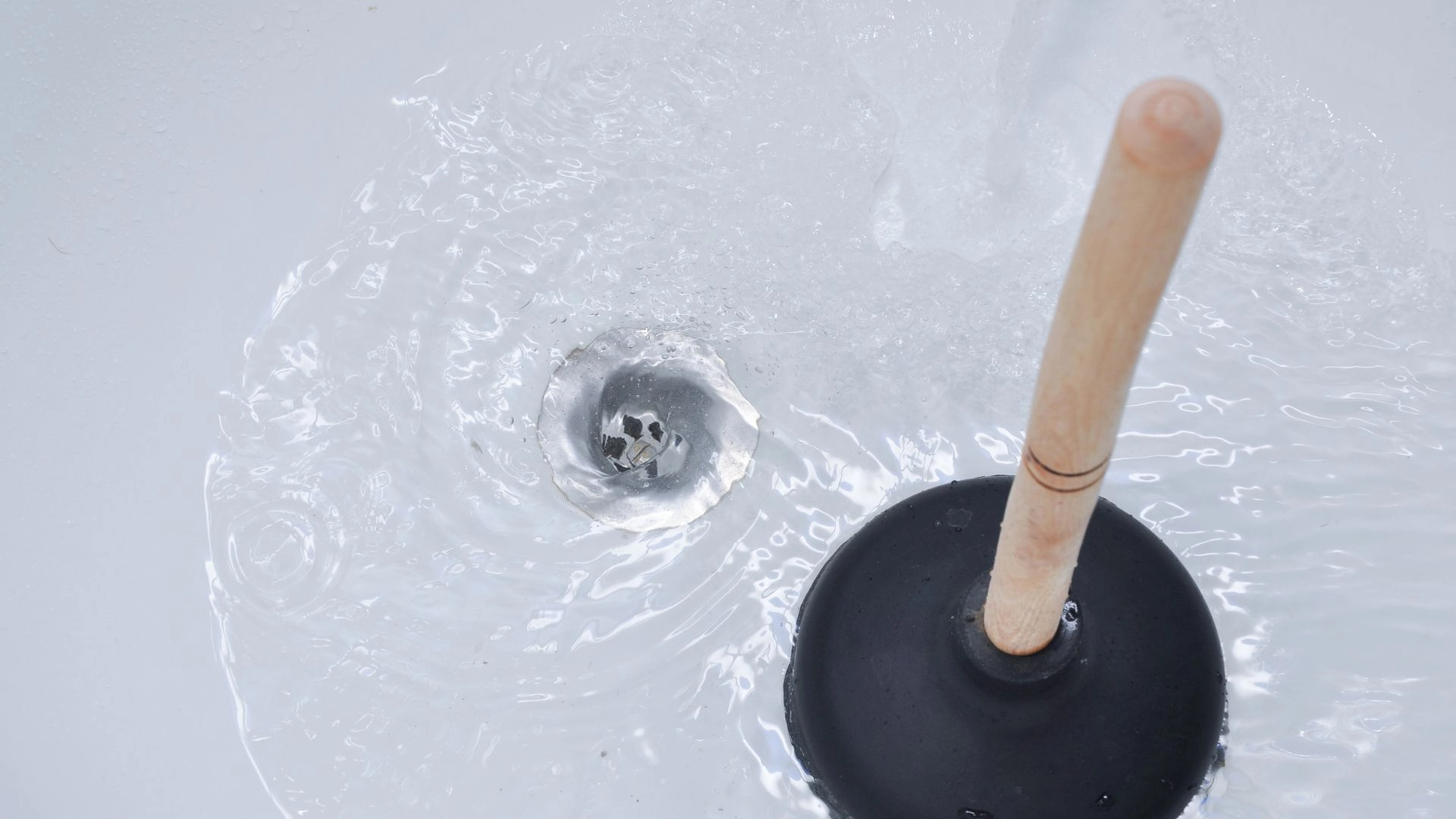
If your shower drain becomes slow or clogged due to soap scum build-up, a plunger or drain snake can be a valuable tool for removing the blockage. Start by placing a toilet plunger over the drain opening and plunging vigorously for 20-30 seconds.
If the clog persists, use a drain snake or plumber’s snake to remove the blockage manually. Feed the snake into the drain until you feel resistance, then twist and push the snake to break through the clog. With a bit of patience and persistence, these tools can effectively clear most soap scum build-up and restore proper drainage to your shower.
Choose the Right Soap
Finally, one of the best ways to prevent soap scum build-up in your shower drains is by choosing the right type of soap. Bar soaps, particularly those with high-fat content, are more likely to contribute to soap scum formation than liquid soaps or gel-based body washes. If you prefer the convenience of bar soap, look for brands that are specifically formulated to minimise soap scum build-up.
Alternatively, consider switching to liquid soap or body wash, which is less likely to leave behind a stubborn residue in your drain pipes.
Clear Drains, Clear Mind!
Preventing soap scum build-up in your shower drains is essential for maintaining a clean, functional bathroom and avoiding costly plumbing repairs. By using a drain strainer, flushing with hot water, cleaning with baking soda and vinegar, using a plunger or drain snake when necessary, and choosing the right type of soap, you can keep your drains clear and free of soap scum build-up.
Remember, regular cleaning and maintenance are key to preventing clogs and ensuring proper drainage in your shower. If you continue to experience slow drainage or persistent clogs despite your best efforts, don’t hesitate to call a professional plumber to assess your plumbing system and recommend the best course of action. If you are in the Gold Coast area, speak to our expert plumbers for fast and effective clearing of your blocked drains!
Published by: Pascal Harb3 September 2025