Last Update: 3 September 2025
A leaking toilet can waste a significant amount of water, leading many homeowners to consider replacing just the tank or bowl instead of the entire unit. While this approach can be cost-effective and extend the toilet's lifespan, it's crucial to understand compatibility issues, potential hidden damage, and long-term value. Mismatched parts or overlooked problems can lead to further leaks and expenses down the line.
This guide explores when it's practical to replace individual toilet components, detailing the challenges of finding compatible parts and ensuring proper installation. It also provides a cost comparison, emphasizing that a full toilet replacement is often the smarter choice for older, inefficient, or frequently repaired units, offering better water efficiency and preventing future headaches. Professional assessment and installation are highly recommended to avoid costly DIY mistakes and ensure a leak-free, efficient bathroom.
A leaking toilet can waste up to 260 litres of water every single day. It’s no surprise that many homeowners consider swapping out just the tank or bowl rather than replacing the whole toilet when leaks or flushing issues appear. It often feels like a practical way to cut costs while keeping the bathroom working as it should. Done properly, replacing a single part can extend the lifespan of your toilet and help avoid sending a perfectly good unit to the landfill.
However, it’s not always the most practical or cost-effective option. Buying a new tank or bowl without checking compatibility, hidden issues, or long-term value can sometimes lead to more trouble and expense down the track.
Before making a choice, it’s worth knowing what can actually be replaced, how much it’s likely to cost, and when it makes more sense to go for a full toilet replacement instead. Here’s a clear guide to help.
Breaking Down Toilet Parts
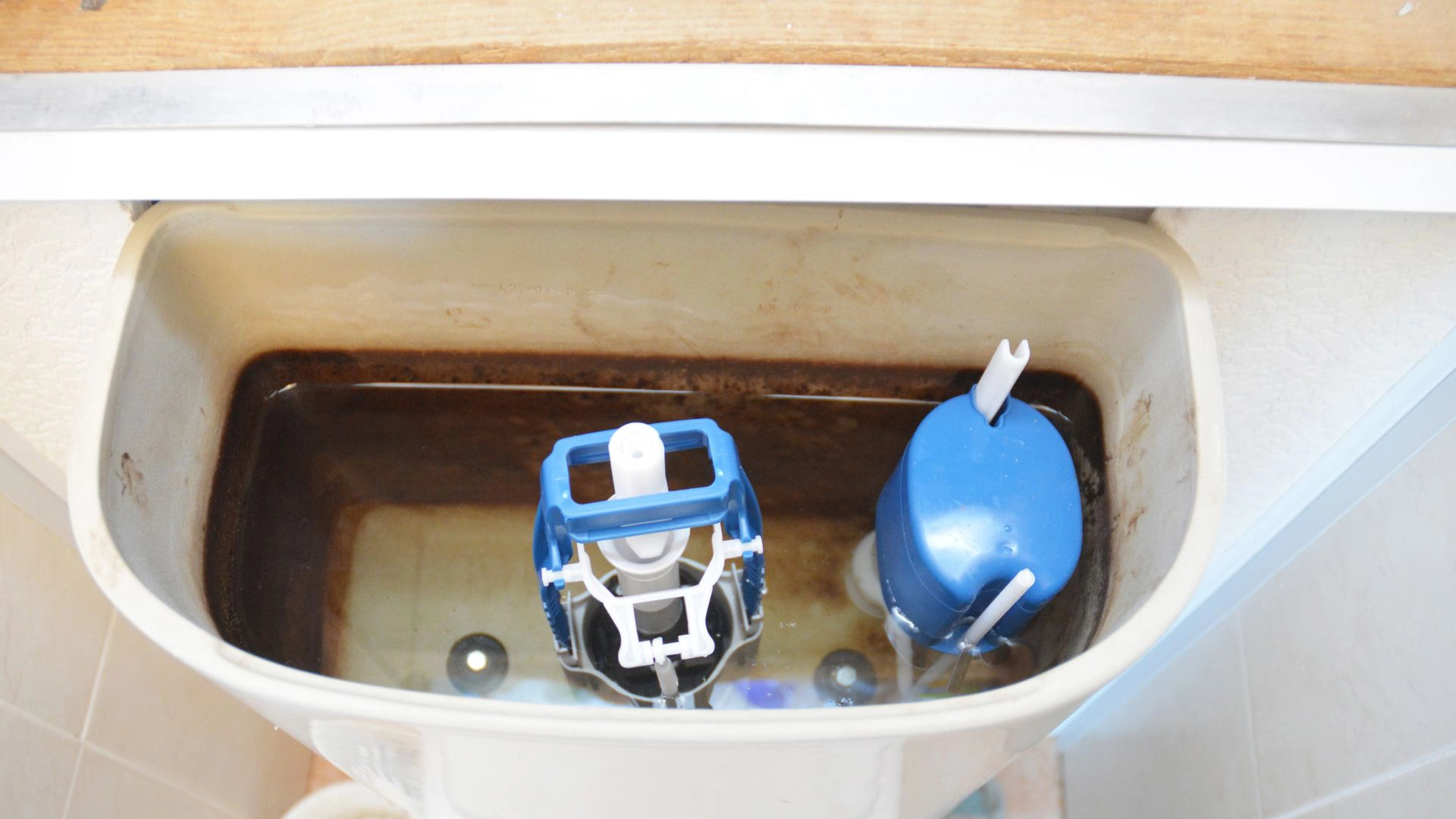
A standard toilet has two main parts: the tank and the bowl. The tank holds water for flushing and sits on top of the bowl, while the bowl is the part connected to your floor and drainage system. Inside the tank is the flushing mechanism, including the flush valve and fill valve, which help control water flow.
Many homeowners don’t realise that these parts can be replaced separately if they’re compatible with each other. A cracked tank or damaged bowl doesn’t always mean you need a full replacement. However, replacing one part without checking for underlying issues can lead to further problems later.
For example, leaks could be due to worn seals between the tank and bowl, not just cracks, while a slow flush might be a sign of internal clogs rather than a faulty tank alone. Understanding how these parts work together helps you decide what’s practical to replace.
Need Help From Gold Coast Plumbing?
Can You Replace Just the Toilet Tank?
In some cases, replacing just the toilet tank is possible and can save money if you match the tank correctly to your existing bowl. This works when:
- You find a matching tank and bowl model still available
- Your tank has a crack or is leaking
- The flushing mechanism is faulty
- You want to upgrade to a water-efficient tank
This approach can resolve issues without disturbing the toilet bowl and flooring, especially if your bowl is still in good condition.
However, there are potential issues to consider. Many older toilets have outdated fittings, making it hard to find a compatible tank. Colour mismatches are common, which may affect the look of your bathroom. Incompatible fittings between the tank and bowl can lead to leaks, instability, or inefficient flushing.
Before replacing just the tank, check the manufacturer’s model number and confirm compatibility with suppliers. If you can’t find an exact match, it may not seal properly or may sit unevenly on the bowl. While it can be cost-effective in the right situation, it’s important to avoid mismatched parts that could cause further leaks.
Can You Replace Just the Toilet Bowl?
Replacing just the toilet bowl can make sense if the porcelain is cracked, the bowl rocks or feels loose, or if you want to refresh the look of your bathroom during a renovation. A cracked bowl can leak water onto the floor, leading to damage and potential mould, while a wobbly toilet can damage the flange connection and cause leaks.
However, replacing the bowl while keeping the existing tank comes with challenges. The bowl needs to be compatible with the existing tank, and many tanks are designed to fit only specific bowl models. Plumbing and flange conditions under the toilet can also affect the installation process.
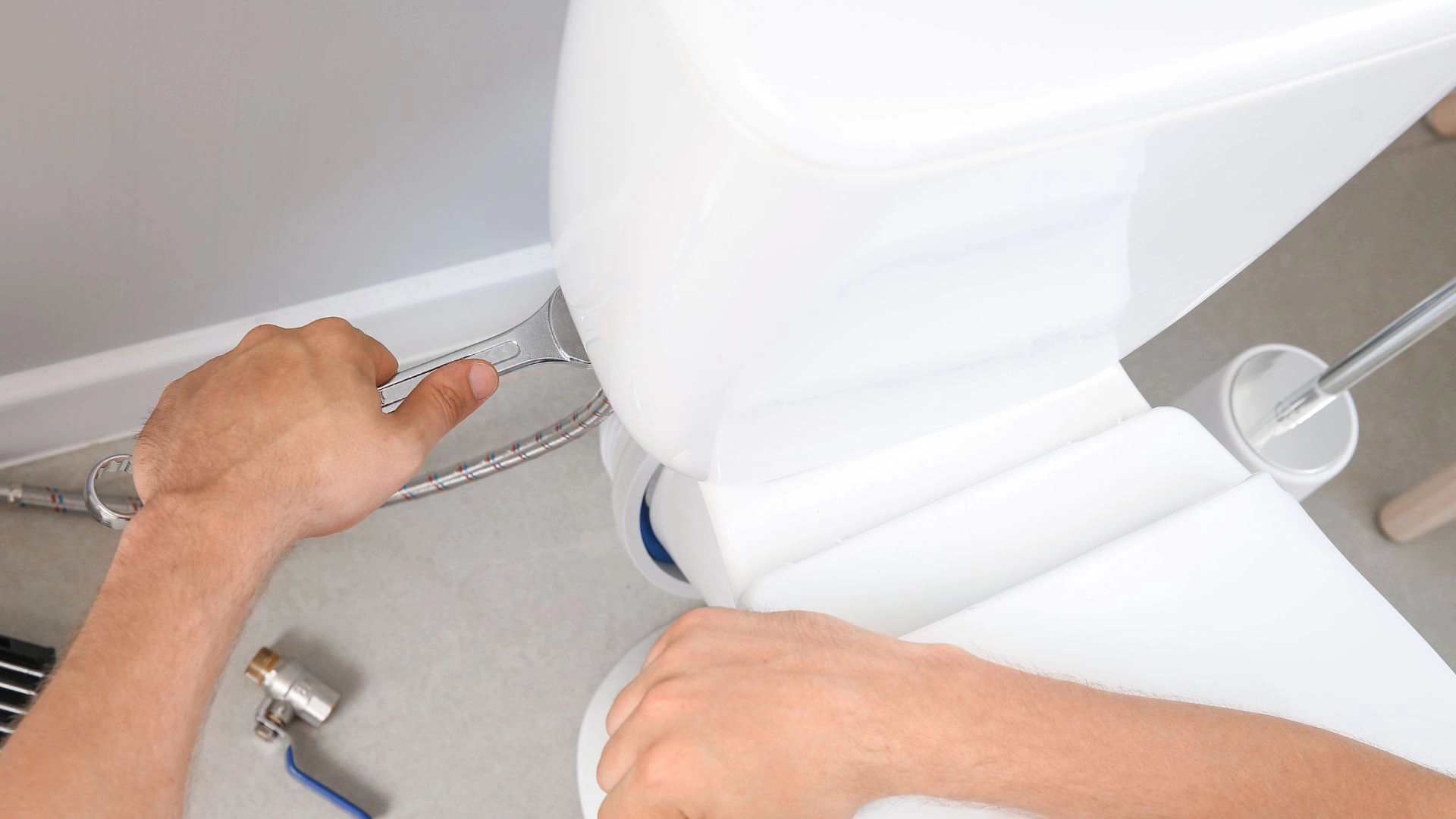
Swapping out the bowl requires carefully checking the floor and flange for damage, ensuring it’s level, and replacing wax seals to prevent leaks. If the bowl doesn’t align correctly with the tank, you may face constant leaks or poor flushing performance.
During renovations, it’s often tempting to upgrade only the bowl for a modern look, but if your existing tank is outdated, it may not function efficiently with the new bowl. Always confirm that the new bowl will fit with your current tank before buying.
Cost Comparison: Part vs Full Toilet Replacement
Here’s a clear cost comparison to help you decide:
- Replacing only the tank: Typically costs between $150 and $350, including parts and basic labour if the tank is easily compatible.
- Replacing only the bowl: Costs around $200 to $400, depending on the bowl type and labour required for removal and reinstallation.
- Replacing the entire toilet: Usually ranges from $300 to $800, including a new water-efficient toilet, removal of the old unit, and installation.
Labour costs may vary depending on your location, with additional fees for disposal of the old toilet or fixing floor damage. Parts availability for older toilets can drive up the cost of replacing just the tank or bowl, making full replacement more practical.
Water efficiency is another factor. Newer models meet WELS ratings in Australia, saving water with each flush, which can reduce long-term water bills.
Don’t: Many assume buying a cheap tank online will fix their toilet issues without checking compatibility, leading to wasted money and leaks.
When weighing the costs, consider not only the upfront price but also the potential long-term savings from lower water bills and fewer repairs with a full replacement.
When a Full Toilet Replacement Makes More Sense
Sometimes, replacing the entire toilet is the better option, particularly if your current toilet is over 15 years old or needs frequent repairs. Older toilets are less water-efficient, using more water per flush, which can increase your water bills.
Structural cracks in the bowl or tank, hidden leaks around the base, or consistent flushing issues often indicate that a full replacement will save you headaches in the long run. New models are designed to meet Australian WELS water efficiency ratings, using less water while maintaining effective flushing.
If you’re renovating your bathroom, it’s often more cost-effective to upgrade to a modern, water-saving toilet that matches your new space, rather than trying to fit old parts into a fresh design. A new toilet can also give your bathroom a cleaner, updated look while helping the environment through reduced water usage.
Tips Before Replacing a Toilet Tank or Bowl
Before replacing your toilet tank or bowl, keep these tips in mind:
- Check the model numbers to confirm compatibility
- Inspect the existing unit for hidden cracks or leaks
- Review your water efficiency goals to match with a suitable unit
- Assess the floor and flange condition for potential repairs
- Consider a professional plumbing assessment to avoid surprises
Taking the time to review these areas can prevent wasted money on incompatible parts and help you decide if part replacement is the right move for your home.
DIY vs Professional Help for Toilet Replacement
Replacing a toilet tank or bowl may look simple, but DIY attempts often lead to leaks, incorrect fittings, or broken seals. This can cause water damage and hidden leaks that are costly to repair. Professional plumbers can inspect your system, check for hidden damage, and ensure your toilet meets current water efficiency requirements.
They can also identify issues like flange damage or plumbing misalignments before installation, ensuring the new unit fits properly and functions as intended. While DIY might save a small upfront cost, professional installation often saves time, frustration, and potential water damage in the long run.
Published by: Pascal Harb3 September 2025