Last Update: 3 September 2025
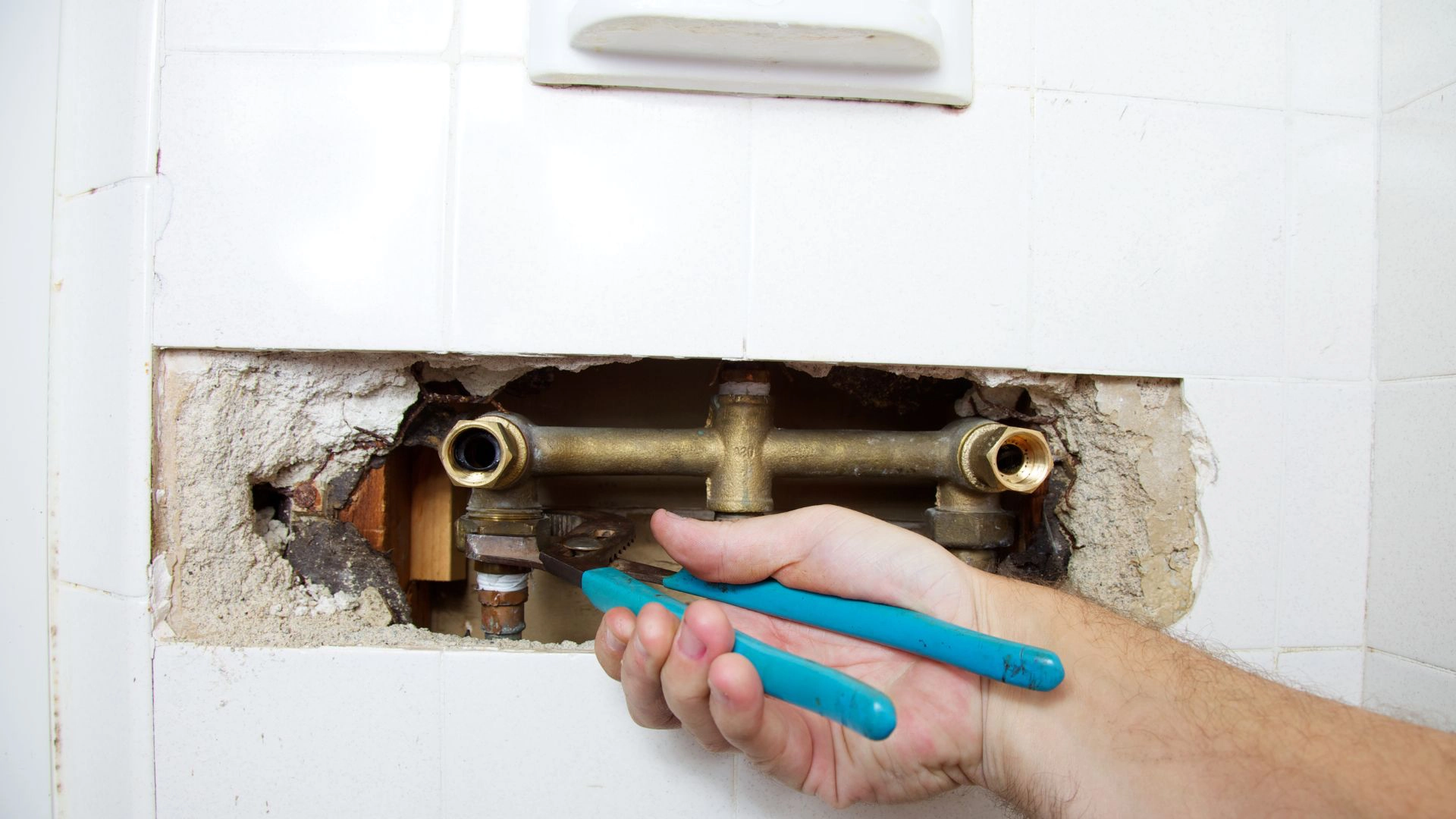
Noisy pipes are a common issue in Australian households, often dismissed as minor annoyances but potentially signaling deeper plumbing problems. Sounds like rattling, banging, gurgling, or constant vibrations after using water can indicate issues ranging from loose pipes and water hammer to air bubbles or high water pressure. Understanding these sounds is crucial, as ignoring them can lead to serious consequences like burst pipes, structural damage, or uncontrolled leaks, making early detection and action vital.
This guide helps homeowners identify the source of pipe noises, offering simple diagnostic tests and quick fixes for minor issues such as securing loose fittings or flushing the system to clear air pockets. However, persistent or severe symptoms like constant banging, unexplained pressure drops, or wet patches warrant immediate professional attention. Regular plumbing inspections, monitoring water pressure, and routine drain cleaning are key preventative measures to maintain a quiet and healthy plumbing system, ensuring peace of mind and avoiding costly emergency repairs.
According to industry estimates, nearly one in three Australian households report issues with noisy pipes each year. Whether it’s a sudden squealing sound in the middle of the night or a rhythmic banging echoing through the walls, many homeowners are familiar with the unnerving chorus their plumbing system can produce.
For most homeowners, these sounds are more of an annoyance than a red flag, but they can actually be early warning signs. That odd pipes-making noise you hear after flushing the toilet or turning on the tap? It might not be “just air in the line” but a deeper issue within your home’s plumbing.
So, is it normal for pipes to rattle or vibrate? That’s exactly what we’re here to unpack. From minor quirks to signs of a plumbing emergency, this guide will help you uncover what’s really happening behind your walls—and what to do about it.
Understanding the Basics of Pipe Noises
Strange pipe sounds can be harmless or hint at trouble. The key is knowing what’s normal and what’s not in your plumbing system.
What Normal Sounds Like
Some noises are completely expected:
- A gentle whooshing as water moves through pipes
- Mild clicks when metal pipes expand or contract with temperature changes
These usually don’t need any attention unless they suddenly grow louder.
Noises That Signal a Problem
When your home starts sounding like a construction zone, it’s time to listen:
- Noisy pipes that rattle or shake when taps are turned off
- Sudden water hammer or a loud bang after using a tap or appliance
- Gurgling sounds from drain pipes
- Constant vibrating that echoes through the walls
These can point to more serious issues hiding in your plumbing system.
Why These Sounds Matter
Ignoring odd sounds can lead to:
- Burst pipes
- Damaged fittings
- Soaked walls and ceilings
- Uncontrolled leaks
Issues like a broken water pressure regulator or excessive water pressure can trigger these noises and push your plumbing to the edge. Early checks save money and stop things from going south fast.
Need Help From Gold Coast Plumbing?
The Top 7 Reasons Pipes Rattle or Vibrate
There’s usually more to vibrating pipes than meets the ear. Each sound tells a story about what’s going wrong with your plumbing.
1. Loose Pipes
Loose pipes knock around inside walls when water flows through them. They’re often found in older homes or places where the water pipes weren’t secured properly during installation. These noisy water pipes can shake or rattle with every flush or tap turn.
2. Water Hammer (Banging Noise)
Loud banging sounds after using appliances like washing machines or turning off a tap point due to water hammer. When water stops suddenly, the force has nowhere to go. Air chambers are built to absorb this impact, but if they’re full of water, they won’t help. Water hammer arrestors can offer a longer-term fix.
3. Air Bubbles in Pipes
Air pockets in drain pipes often make gurgling or bubbling sounds. They tend to show up after the water supply has been off and turned back on. Air trapped in the incoming cold water line is common after plumbing repairs.
4. Expansion from Hot Water
Pipes carrying hot water expand and rub against joists. You might hear creaking or tapping. It’s usually harmless but should be watched.
5. Air Chambers Gone Bad
If air chambers fill with water, they won’t soften shocks. Look out for persistent thuds and consider replacing them.
6. Faulty Main Shut Valve
A half-closed or blocked main water supply valve can cause vibrating pipes. It may also reduce flow and cause strain on worn-out washers or fittings.
7. High Water Pressure
Excess pressure in the system can lead to noisy pipes and damage. A pressure reducing valve helps protect fixtures like the toilet fill valve or a worn-out ballcock assembly.
Diagnosing the Problem Like a Pro (No Toolbox Needed)
Strange pipe noises can come from all directions. Knowing where and when they happen can make a real difference.
1. Find the Source
Start by walking through the house. Listen near walls, under floors, around the water heater, and close to exposed pipes. Vibrating sounds behind the wall or near supply lines may point to hidden faults in your home’s plumbing system.
2. Run Simple Tests
- Turn off all taps and appliances
- Flush the toilet and let it refill
- Run the washing machine or dishwasher
- Watch and listen for any sudden rattles, humming, or knocking
Different noises give away different problems. Humming may signal a worn shut-off valve. Knocking could be pressure-related. If the sound happens when hot water flows, it might involve expansion or plumbing vents.
3. Take Notes
Keep track of when the noise happens and what was in use. Note if it involves hot water or cold water. This helps plumbers match symptoms to causes and get noisy pipes fixed faster.
4. Look for Clues
Air bubbles in supply lines or slow drains can mean blockages that may need drain cleaning. If you’ve recently had a plumbing repair done, a missing pressure reducer or loose pipework could be the culprit.
Quick Fixes for Minor Noises
Not every sound means a plumbing emergency. Some rattles or hums can be sorted with a few simple checks.
1. Secure Loose Areas
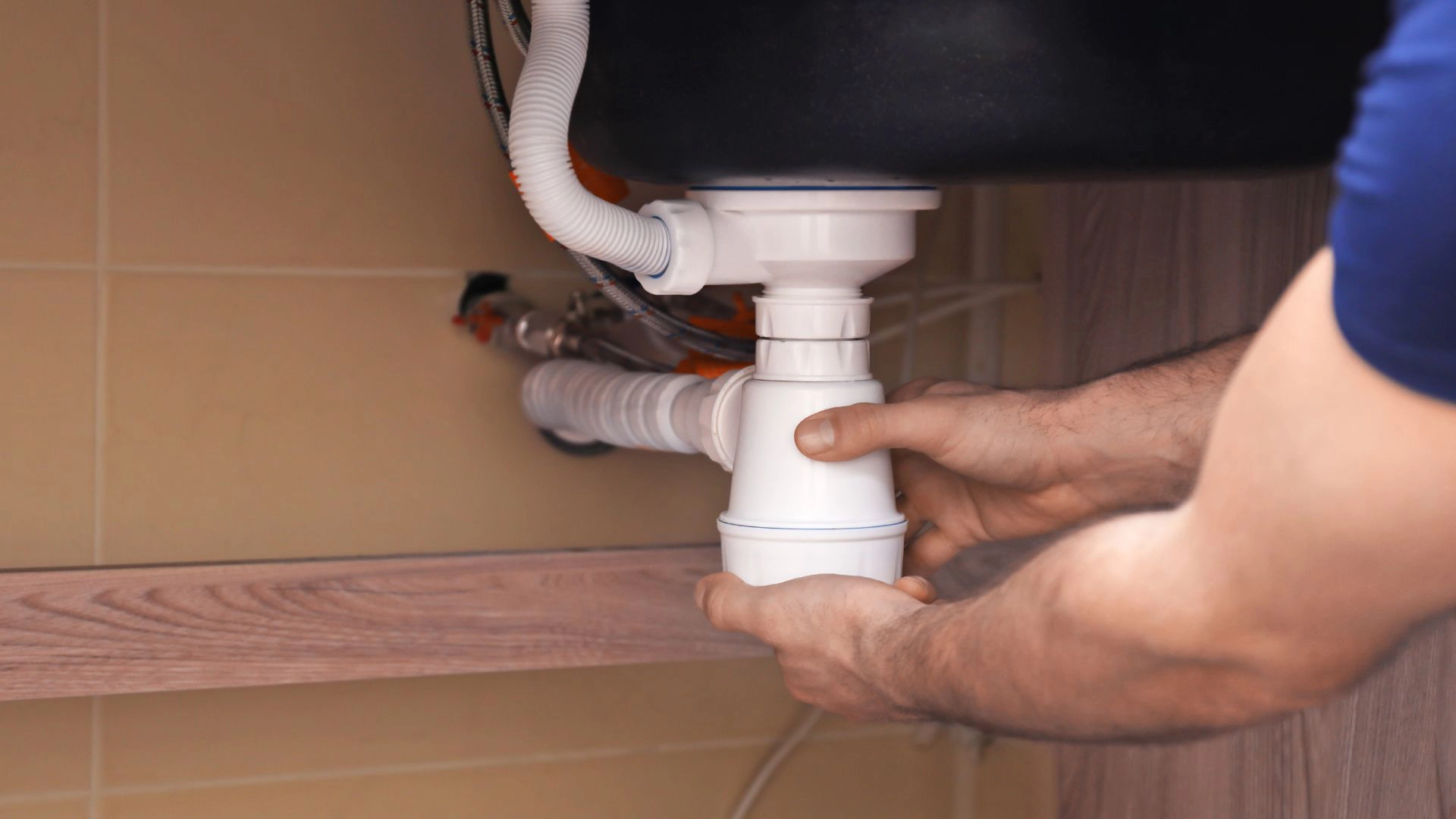
Loose fittings or pipes knocking against timber can cause a constant rattling noise. Use pipe clips or foam padding to stop movement and quiet things down.
2. Flush and Drain
A gurgling noise or vibrating noise often comes from trapped air. Turn off the main water and open every tap to flush the system. This can also help reset air chambers and ease pressure.
3. Check the Hot Water
Flushing the hot water system can clear out air pockets and reduce whistling sound issues. Pay attention if a loud noise happens when cold water meets hot—this might link to fast closing valves or pressure shifts.
4. Inspect the Main Valve
A faulty main shut valve can lead to a banging noise or reduced flow. Test it gently to make sure it’s fully open. Check the water meter before and after if you suspect a leak or blockage.
5. Know When to Call In Help
If you’re still hearing a loud banging or anything that shakes the walls, it’s time to contact a professional plumber. Delaying can lead to costly repairs. Reliable plumbing services can find hidden issues and fix them before your house water becomes a bigger problem.
When You Should Worry (and Definitely Call a Plumber)
Some sounds are more than just annoying. Certain warning signs from your plumbing shouldn’t be ignored, especially if they keep coming back.
Red Flags to Watch For
- Persistent banging noise when taps are turned off
- Noisy vibrations echoing through walls
- Water pressure drops without explanation
- Wet patches forming around ceiling boards or along floor joists
- Shaking walls or odd sounds when water rushes through pipes
- Vibrating sounds at night from unknown locations
If you notice these, something deeper could be going wrong behind the walls or under the floors.
The Real Risks
Left unchecked, these symptoms can lead to:
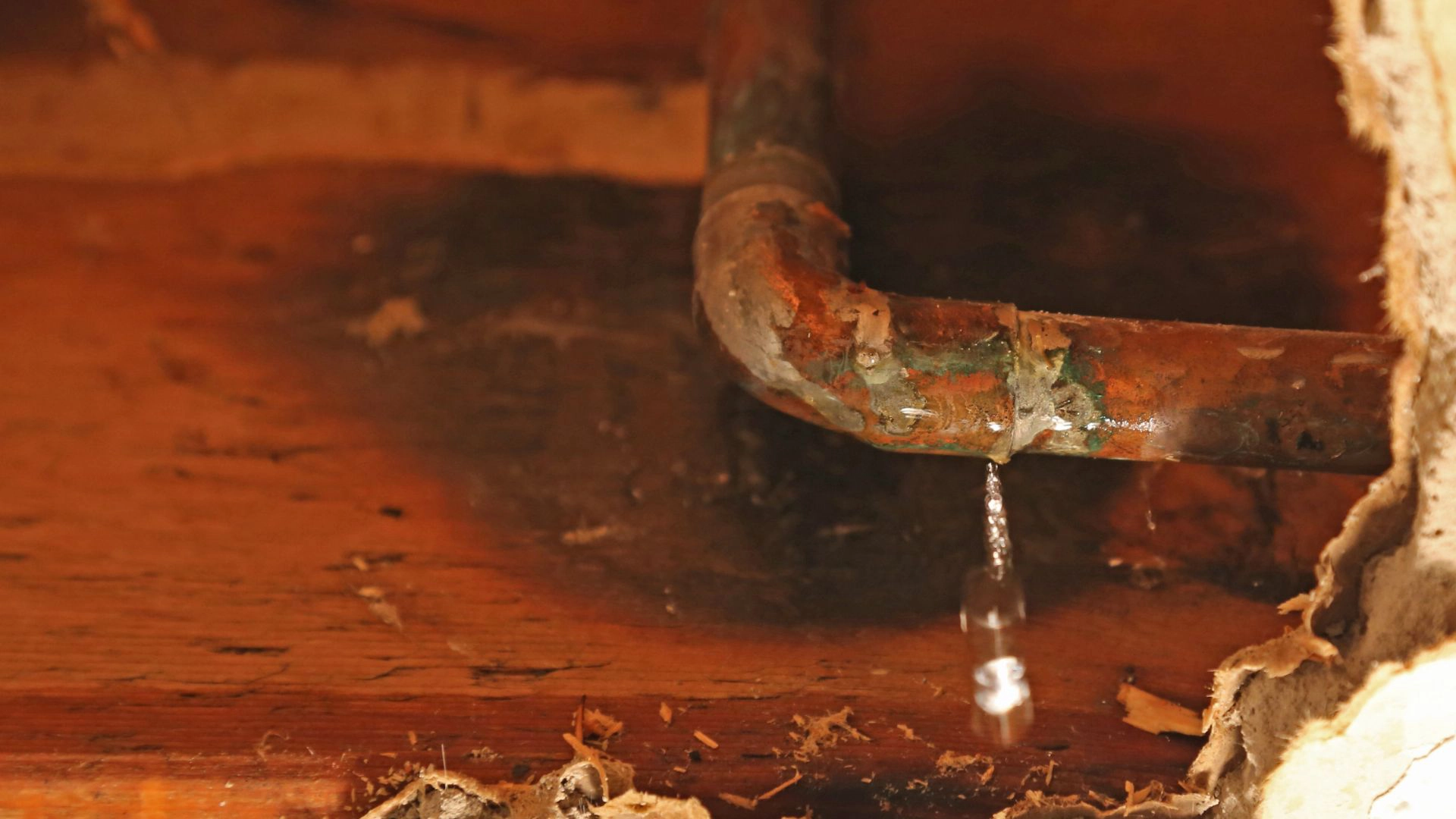
- Burst pipes hidden behind wood framing
- Structural damage around wet areas
- Skyrocketing water bills due to slow leaks
- Damage to fittings near the reducer’s manifold or access panel
A faulty main shut valve can be a key culprit. Slowly turn it to check flow. If you’re unsure, leave it to a local plumber.
Unusual noises coming from hot water systems or along the main shut line also need urgent inspection. These aren’t jobs for guesswork.
When in doubt, call for emergency plumbing. Acting early can save you from bigger headaches per square inch—literally and financially.
Preventative Measures to Keep Pipes Quiet
Planning can go a long way in keeping your home free from unwanted plumbing noise.
- Book Regular Plumbing Inspections. Older homes often hide early signs of pipe movement or damage. Regular checks by a licensed plumber can catch these before they become costly messes.
- Keep an Eye on Water Pressure: Check your water pressure every 6 to 12 months. Too high pressure can stress pipes, damage fittings, and cause noisy vibrations throughout your system.
- Clean Out Those Drains: Routine drain pipe cleaning helps remove build-up and prevent airlocks. These blockages often lead to rattling, gurgling, or slow drainage—all avoidable with proper care.
- Don’t Dismiss Small Noises: Small noises often go unreported in homes with kids, tenants, or housemates. A soft tap or hum might not seem urgent, but it can hint at underlying issues.
- Upgrade When It’s Time: If noise is constant or fittings are clearly past their best, consider replacing ageing pipes or worn parts. Investing in newer components can reduce future repairs and keep everything running smoothly.
Staying on top of maintenance keeps noisy plumbing problems at bay—and your home peaceful.
Give Your Pipes Peace and Quiet Again
Noisy or vibrating pipes aren’t just annoying—they’re your plumbing’s way of asking for help. Even the smallest signs can point to something more serious behind the scenes. Say goodbye to sleepless nights, strange sounds and second-guessing every bang in the wall.
If the rattling won’t quit, it’s time to call in the pros. Gold Coast Plumbing Company offers fast, reliable, and professional emergency plumbing services—available 24/7 when things go wrong. From faulty main shut valves to burst hot water systems, we’ve got you covered.
Get in touch today. Waiting could end up costing more than just your peace of mind.
Published by: Pascal Harb3 September 2025