Last Update: 3 September 2025
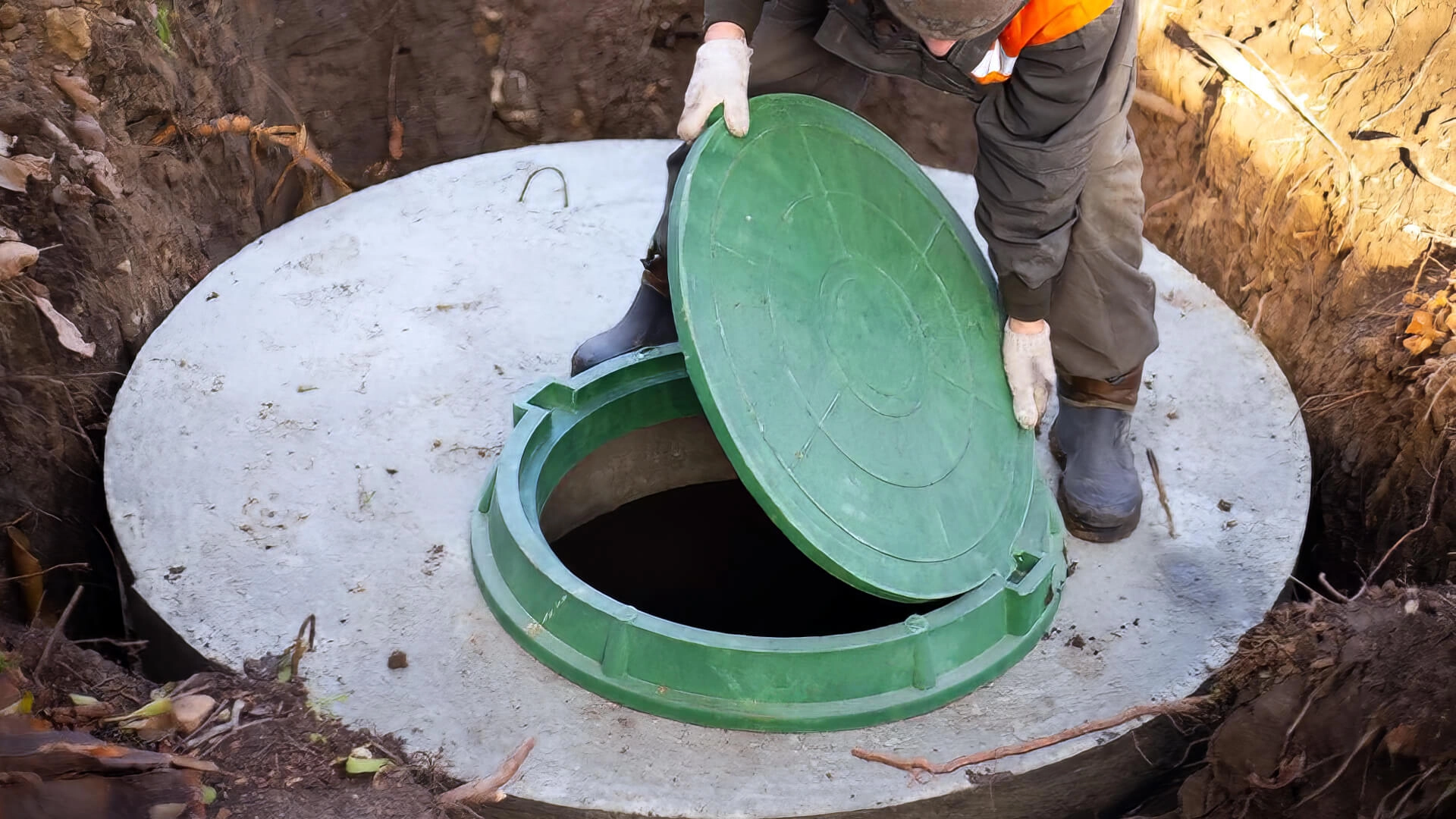
A clogged sewer line can quickly escalate into a messy disaster, but this comprehensive guide offers effective solutions even without a drain snake. It delves into common culprits like grease, tree roots, and old pipes, then provides detailed instructions for clearing blockages using a power washer and sewer jetter. For less severe clogs, various household remedies such as vinegar and baking soda, boiling water, and hydrogen peroxide are explored, each with their own pros and cons.
Beyond immediate fixes, the article stresses the importance of prevention through drain covers, proper disposal of grease and solids, and regular professional cleaning. It also advises on when to consider chemical cleaners for stubborn blockages or when to call in expert plumbers for recurring or complex issues. Understanding these methods and preventative measures can help maintain a free-flowing sewer line and avoid future plumbing headaches.
Nothing is more frustrating than a clogged sewer line. When your main sewer line gets backed up, wastewater can quickly overwhelm your plumbing system and create a messy, smelly disaster. Acting swiftly to clear the clog is essential to prevent further damage, but many homeowners don’t have a drain auger. Thankfully, there are methods to unclog a sewer line without this specialized tool.
This article will explore the causes of clogged and main sewer lines. You’ll learn step-by-step instructions for unclogging a sewer line without using a drain snake using home remedies and professional services. We’ll also provide tips to prevent future clogs, like drain covers, avoiding putting grease down drains, and regular drain cleaning. With the correct information, your sewer line can flow freely again.
What Causes Sewer Line Clogs?
Before learning how to unclog a sewer line, it helps to understand the most common causes of clogs. Some of the top culprits include:
Grease/fat/oil build-up: Pouring grease, fat, or oil down drains can cause significant blockages over time. These substances stick to pipe walls and restrict water flow.
Feminine hygiene products: Items like tampons and pads should never be flushed. They don’t dissolve and easily get lodged in sewer lines.
Tree roots: If trees are near your sewer line, roots can invade the pipes in search of water. Slowly, this causes a complete root blockage.
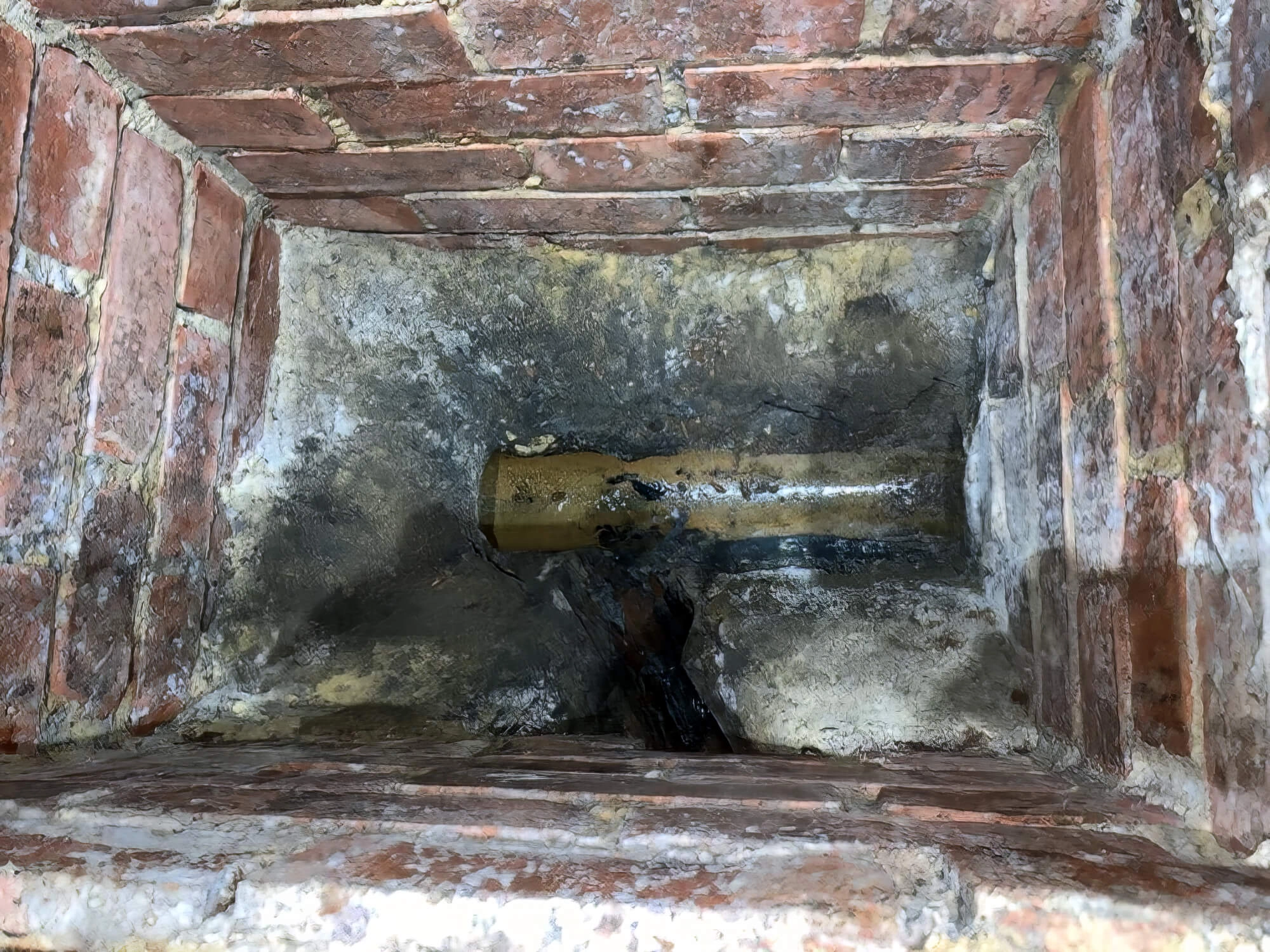
Rusty/old pipes: Sewer lines degrade over time. Cracks and holes from rust or age allow debris to gather and clog the line. Old sewer lines should be replaced.
Need Help From Gold Coast Plumbing?
Unclogging a Blocked Main Sewer Line Without a Drain Snake
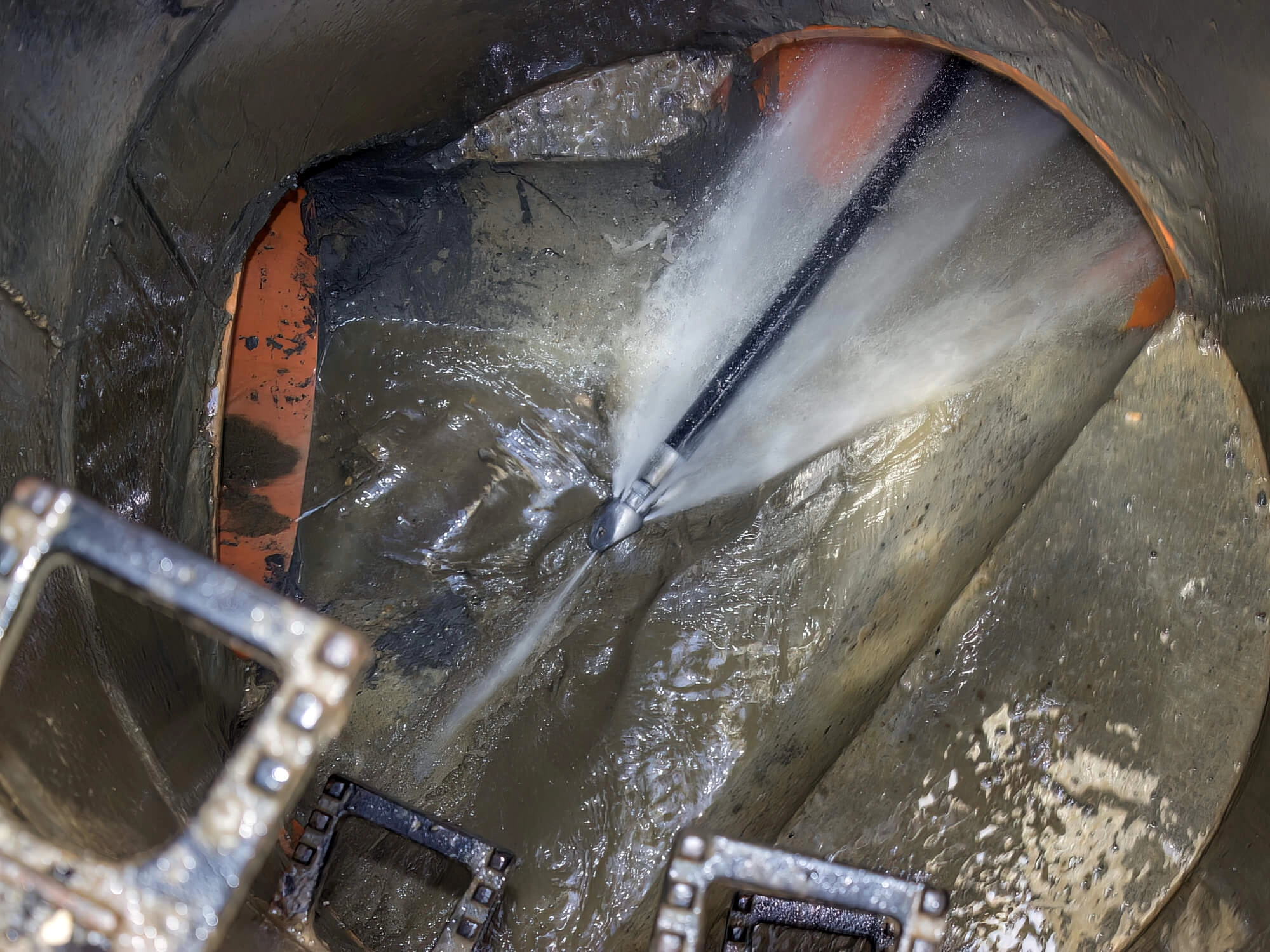
When facing a main sewer line blockage, a power washer and drain linejetter is an effective way to clear the clog without a traditional drain auger. Follow these steps:
Step 1: Connect to the Sewer Cleanout
Attach a sewer jetter hose to your power washer wand and insert it into the sewer cleanout. Feed the hose down until you hit the clog in the sewer pipes.
Step 2: Blast the Clog with Pa ower Washer
Turn on the power washer in a high-pressure setting. Slowly push the drain linejetter hose farther down the sewer pipe, letting the powerful water pressure burst through the main sewer line blockage.
Step 3: Listen for Clearing Sounds
Listen for dirt and debris dislodging as you feed the jetter hose. If water flows freely, the clog is cleared. If not, repeat steps 1-2.
Step 4:Turn Off the Power Washer and Remove Hose
Once water flows freely again, turn off the power washer. Slowly pull the drain line hose back out of the sewer cleanout.
Step 5: Confirm Clog is Cleared
Run water into the sewer pipes and listen for backups or gurgling that indicates remaining blockage. If clear, the main sewer line clog should be resolved.
When done carefully, a power washer and sewer jetter are effective ways to clear a main sewer line without a traditional drain snake. The key is using the correct pressure and not damaging your pipes.
How To Clean Sewer Clogs Using Liquids
If you don’t have access to a power washer, various household liquids can also help dissolve clogs when used appropriately. Each has pros and cons to consider.
1. Vinegar and Baking Soda
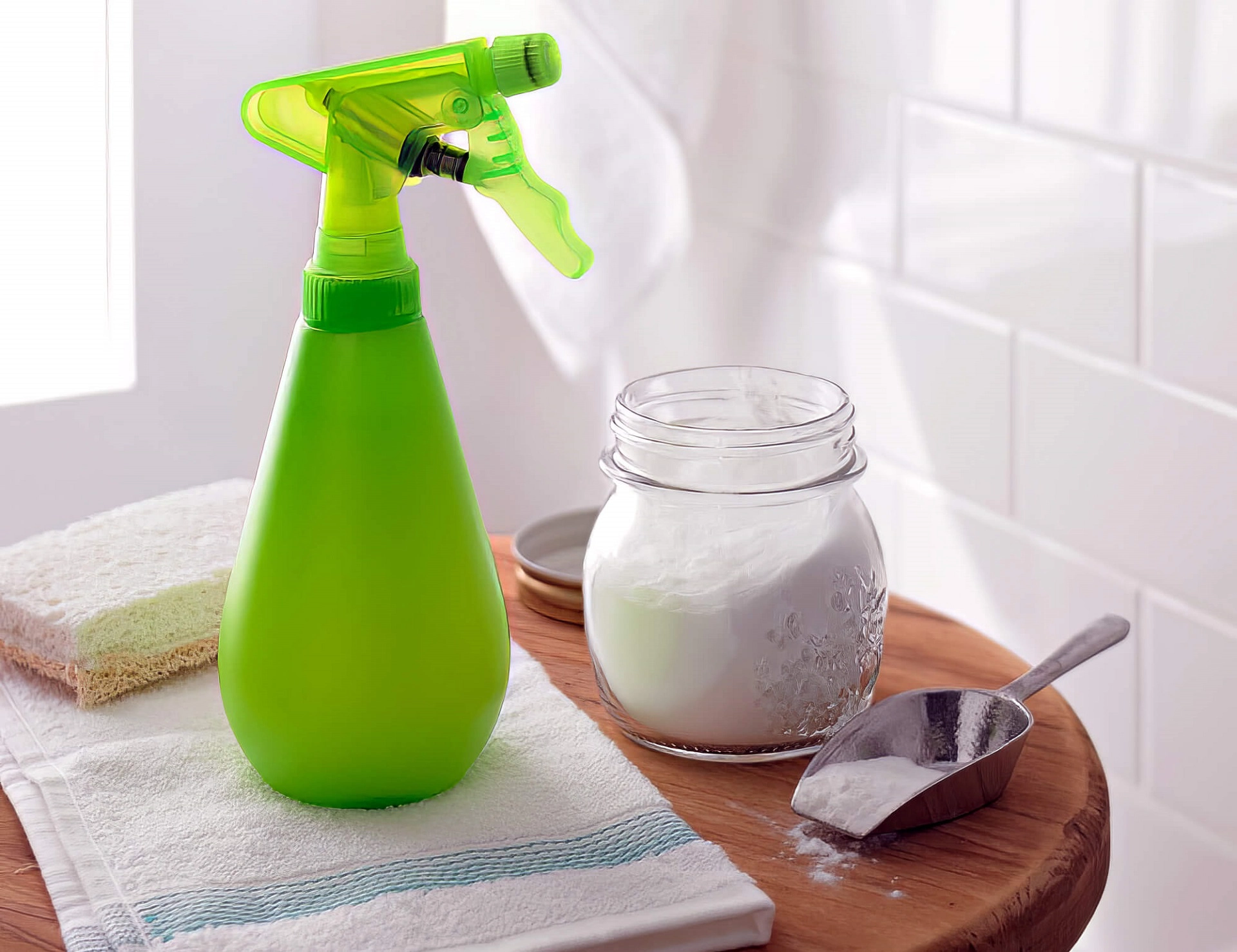
Pour a cup of baking soda down the kitchen sink drain, followed by a cup of vinegar. The resulting chemical reaction causes fizzing and bubbling that can break up grease and debris. Let the solution sit for 15-20 minutes before flushing with hot water.
Pros
Very accessible ingredients
Natural cleaning solution
Low cost
Cons
It can take time to work fully
May need to repeat the process
2. Boiling Water
Pouring boiling water down the drain can help melt grease or fat clogs. The hot temperature loosens the gunk.
Pros
No chemical cleaners are needed
Typically effective for grease clogs
Cons
Risk of burning if spilled
Could damage pipes if overused
3. Hydrogen Peroxide
Pour 1 cup of hydrogen peroxide down the drain and sit for 30 minutes. Follow with hot water to flush away debris. The bubbling action helps dislodge clogs.
Pro
Breaks down organic material
Low-cost and non-toxic
Cons
Long dwell time needed
It may take several applications
4. Salt
Pour 1 cup of salt down the drain and lit it for 15-20 minutes before flushing it with hot water. The graininess can scrub away debris.
Pros
Natural abrasive
Common pantry item
Cons
Slow-acting
Could corrode metal pipes
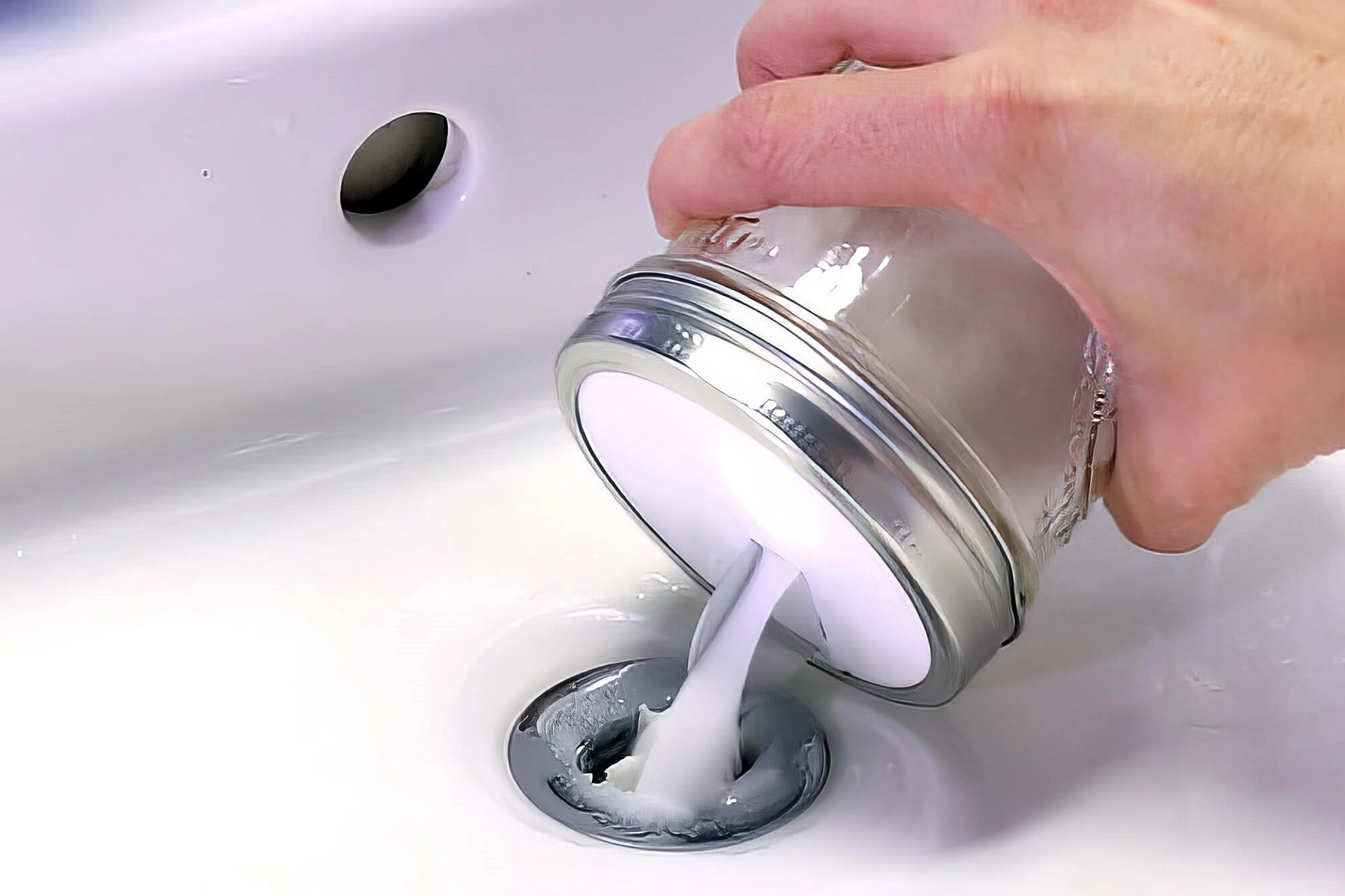
5. Baking Soda and Lemon Juice
Mix 1 cup of baking soda and lemon juice and pour it down the drain. After 15-20 minutes, flush with hot water. Acidity dissolves gunk.
Pros
Natural acidity dissolves clogs
Items easy to find
Cons
It takes time to work fully
Multiple rounds may be needed
Using common household liquids can clear clogged drains without harsh chemicals. However, they require more time and repeated effort than a power washer. Consider the pros and cons of choosing the best home remedy.
Clearing Stubborn Sewer Blockages
For severe sewer clogs that resist other drain cleaning methods, chemical drain cleaners provide added strength to break through blockages. Strong alkaline or acidic cleaners can dissolve organic material and grease and cause persistent main sewer line clogs.
When using chemical cleaners:
Carefully follow product instructions for safety. Wear gloves and eye protection.
Never mix cleaners, as this risks dangerous chemical reactions.
Allow the chemical cleaner to work for 15 minutes before flushing with water.
Start with small amounts and increase gradually if needed.
Rinse thoroughly with water when finished.
Chemical drain cleaners should be a last resort for serious clogged main sewer line issues unresolved by other methods. Proper precautions provide added power to clear persistent blockages. However, they can damage pipes if overused. Call a professional if main sewer line clogs continue despite chemical cleaner attempts.
Preventing Future Sewer Line Clogs
While dealing with a current clog is frustrating, preventing future blockages is wise. Consider these tips:
1. Use Drain Covers
Drain covers and screens prevent hair, food scraps, and other debris from entering your pipes. Install covers on sinks, tubs, and showers to stop clogs at the source.
2. Avoid Pouring Grease/Solids Down Drains
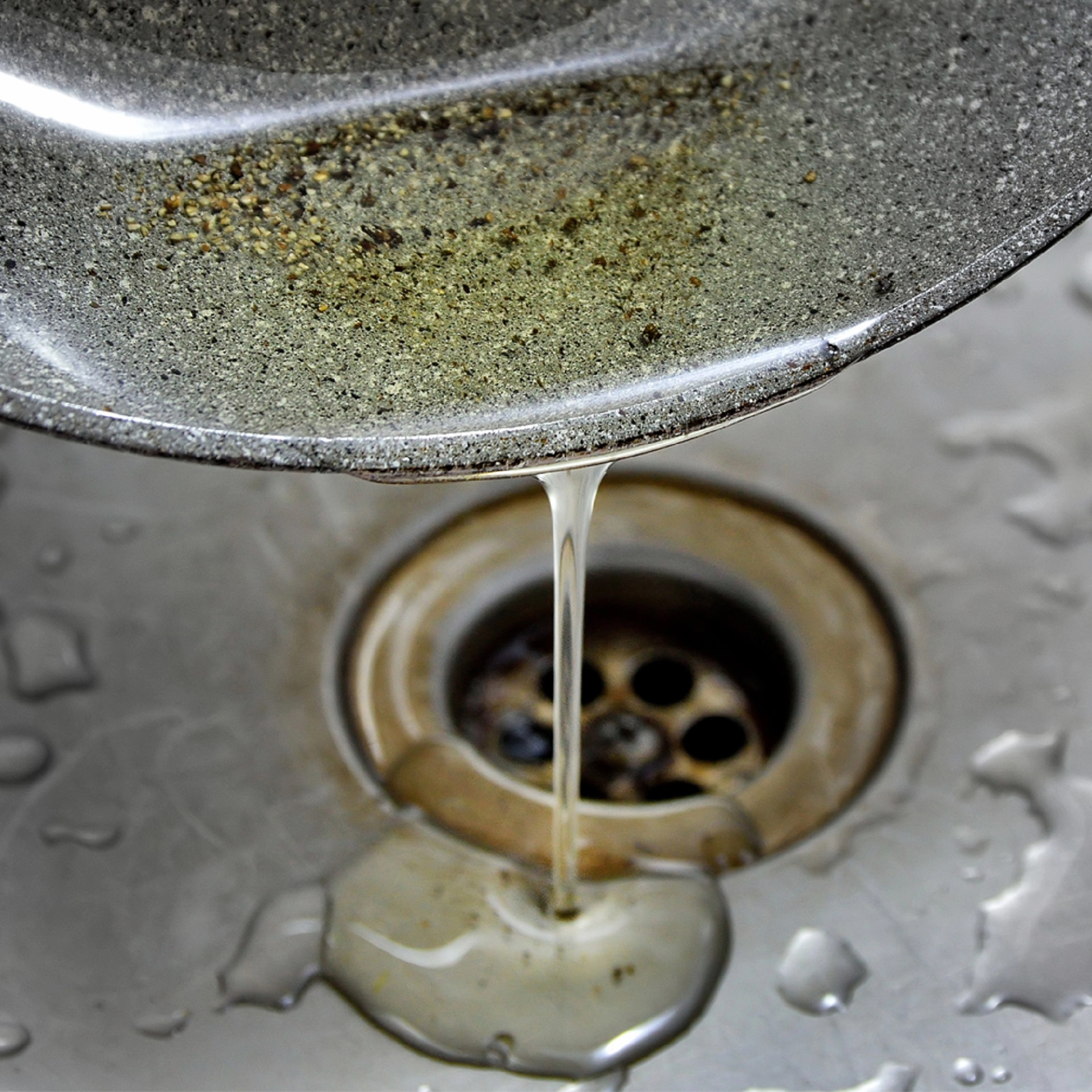
What goes down the drain directly impacts your risk of clogs. Never pour fats, oils, or grease down sinks. Dispose in the trash instead. Avoid flushing solids like food scraps, tampons, other solid feminine hygiene products, and paper towels.
3. Schedule Regular Drain Cleaning
Professional drain cleaning regularly removes any built-up grime or blockages before they grow problematic. Every 1-2 years is ideal for residential sewer lines.
4. Inspect and Replace Old Pipes
Old, damaged pipes are prone to catching debris and clogging. A replacement can prevent future headaches if your plumbing is outdated or deteriorating.
Following these simple precautions helps keep your drains free-flowing. An ounce of prevention is worth a pound of cure for sewer line clogs! Installing drain screens, avoiding grease in drains, and scheduling maintenance can save you from clog-induced disasters.
Calling In The Professionals
While DIY methods can clear simple clogs, some blockages require professional-grade equipment and expertise. Consider calling a plumber for:
Recurring clogs that home remedies cannot resolve
Clogs deep in your main sewer line
Suspected damage to pipes causing debris build-up. Slow drains throughout your home indicate a more extensive issue.
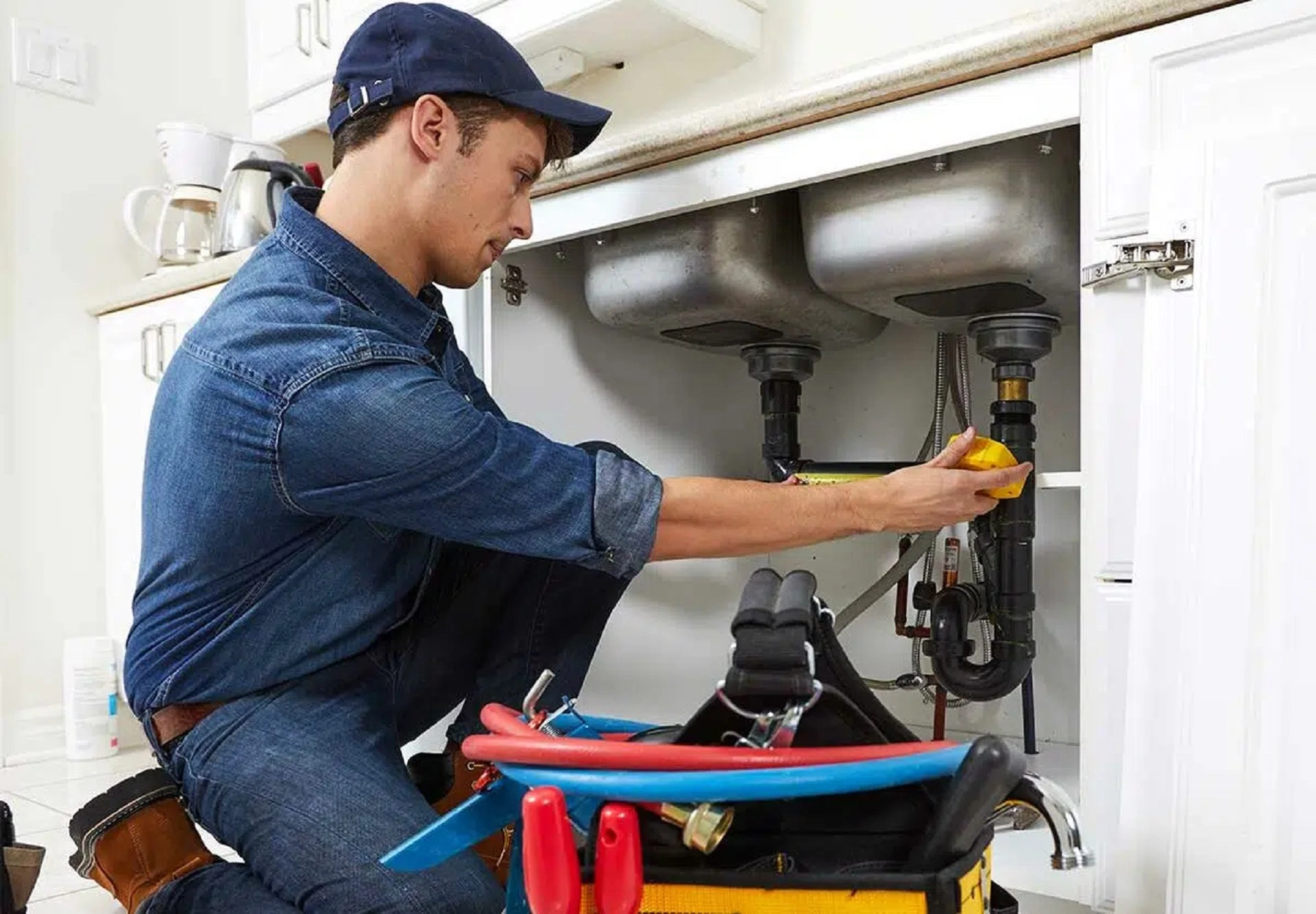
The right tools, high-powered jetters, and camera pipe inspection allow professionals to thoroughly clear blockages and assess your drainage system. This can restore flow and prevent future headaches. Their expertise is well worth the cost for stubborn or complex sewer issues.
When To Replace Your Sewer Line
If you have an older sewer line, replacement may be needed if you notice:
Frequent clogs and backups
Cracks or damage letting in roots/debris
Corrosion and leaks
Plumbing backing up elsewhere
Replacing your sewer line has advantages:
Prevents future clogs
Allows better water flow
Stops leaks
Improves functionality
Consider costs vs. frequency of repairs. Replacement averages around $3,000-$8,000 AUD (estimated amount), but ends recurring clog issues. Get professional input to determine if replacement makes sense.
In Conclusion
As we’ve seen, several DIY methods can clear clogged sewer lines, from using a jetter hose to liquid drain cleaners. Key points include:
Understand causes like grease build-up before unclogging
Use power washer jetter hoses for forceful blockage clearing
Liquid drain cleaners dissolve gunk but require time to work
Prevention is ideal – install drain screens, avoid grease in pipes, and schedule regular maintenance. Call the professionals for severe or recurring clogs – Gold Coast Plumbing Company. With years of expertise handling complicated sewer blockages, we provide simple, effective solutions. Don’t hesitate to contact us if you need dependable drain cleaning services.
Published by: Pascal Harb3 September 2025